












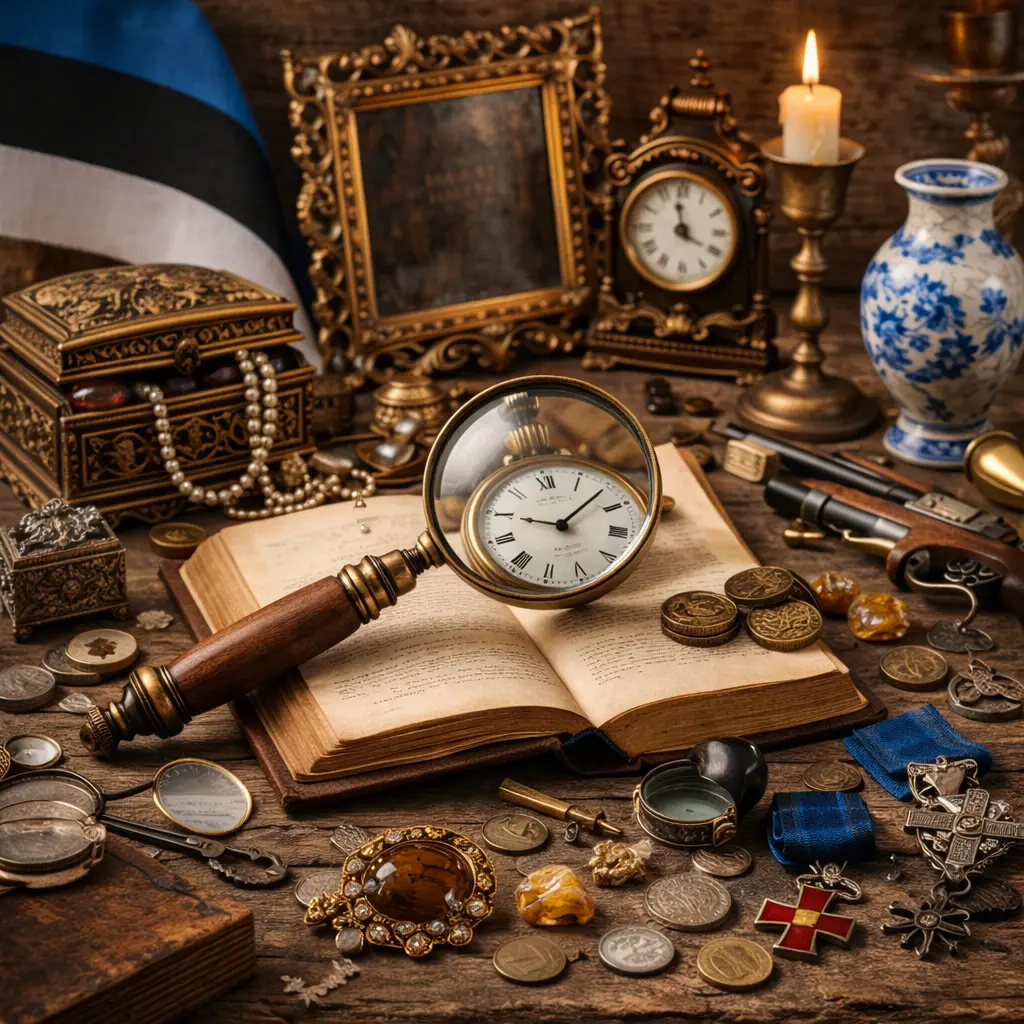
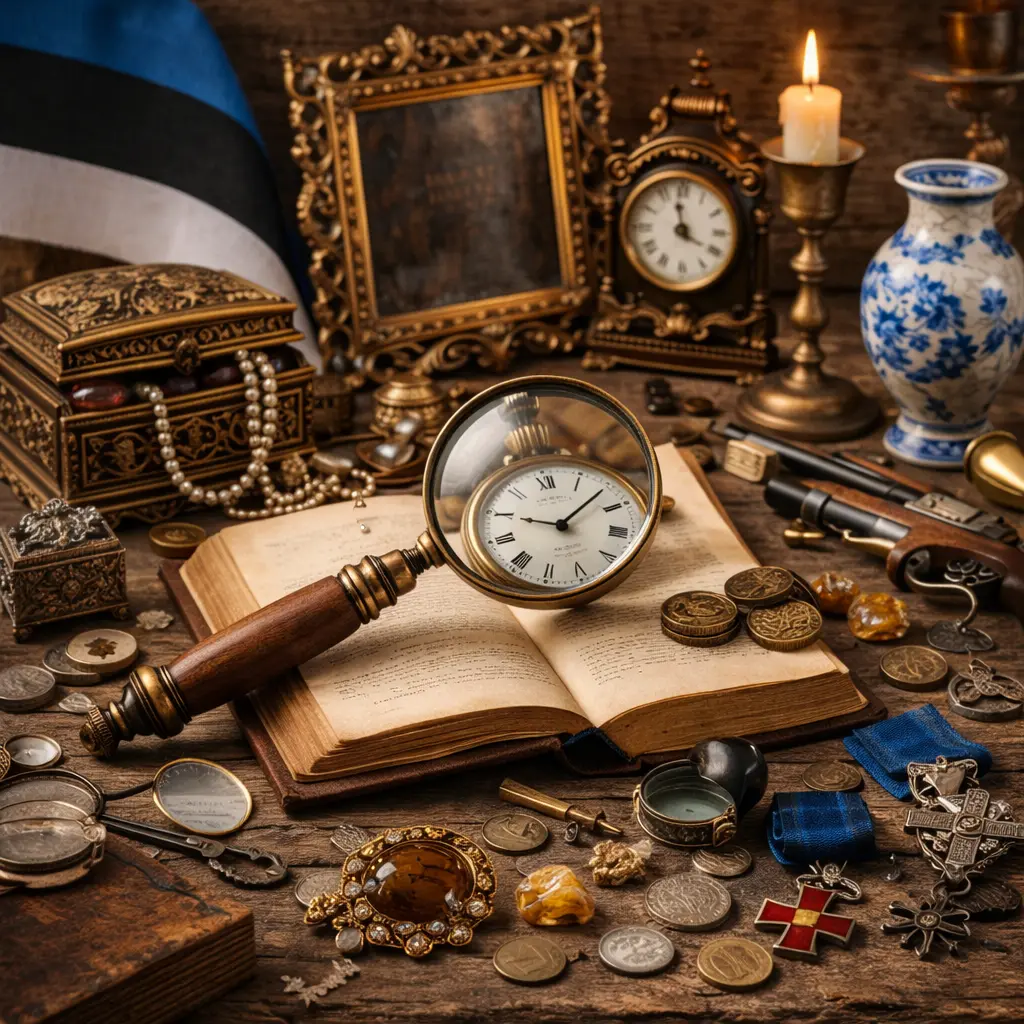
Introduction
Antiques can hold great value. Here's how to identify valuable items.
Age
Antiques are usually at least 100 years old, vintage 20-100 years. Age can increase value, but not always. Find out the age of the item - style, materials, manufacturing technique, stamps, markings.
A rarity
The rarer the item, the more valuable. Limited edition, unique design, few surviving copies known. Find out how many similar objects are known.
Condition
Condition greatly affects value. The original, unaltered shape is more valuable. Repairs, repainting, restoration may reduce value (except professional restoration). Check for cracks, wear, defects.
Origin
An item that has belonged to a famous person is more valuable. Documented provenance increases value. Look for stamps, labels, signatures that identify the maker or artist.
Materials
Precious metals, precious stones, rare types of wood, porcelain, crystal increase the value. Check the authenticity of the materials.
Style and aesthetics
Certain styles are more popular with collectors. The item must be aesthetically pleasing. Follow trends - what's popular at the moment.
Where to get an estimate
Contact an antique dealer, an auction house, an art expert. Compare ratings. Follow the sale prices of similar items at auctions.