
















Introduction
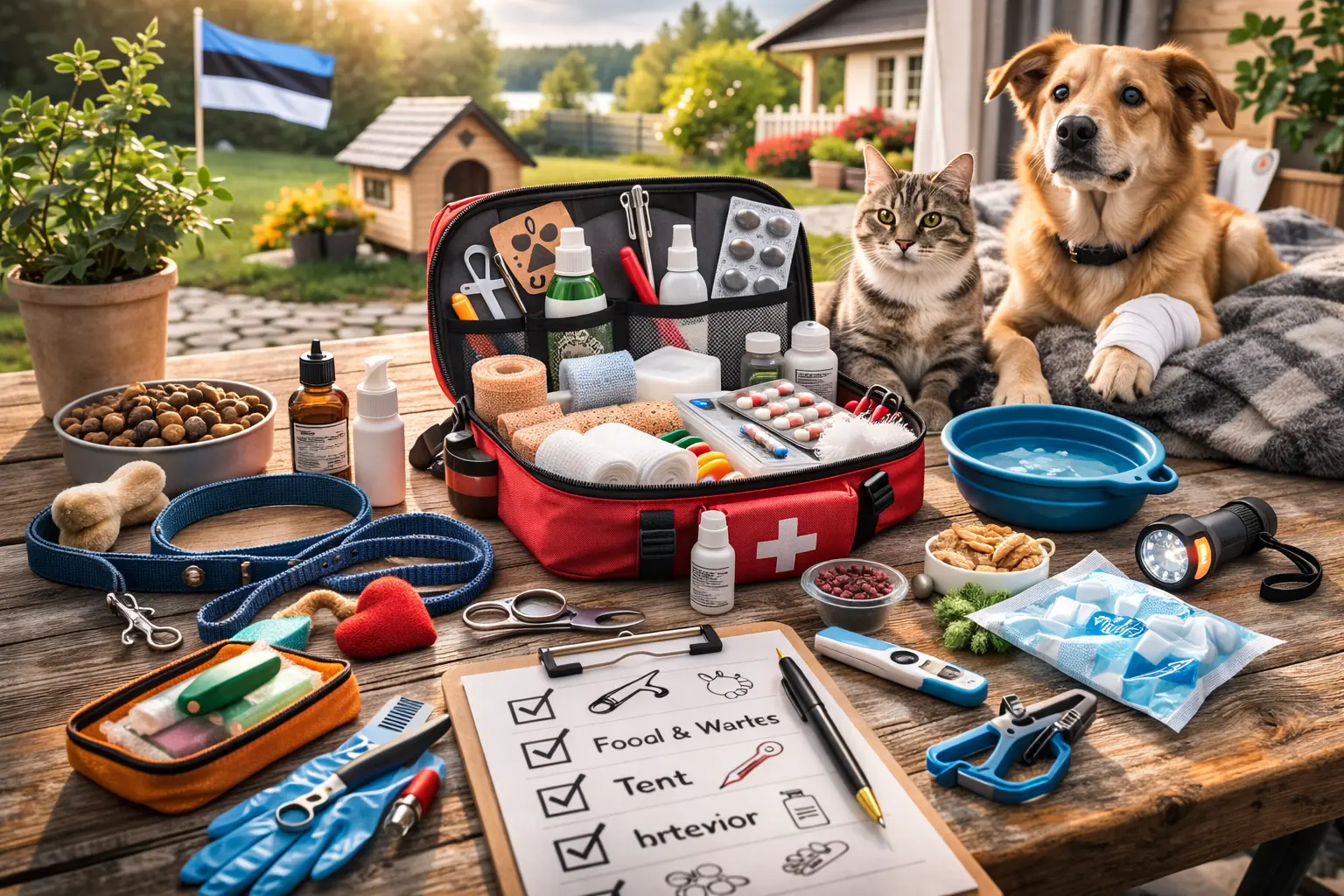
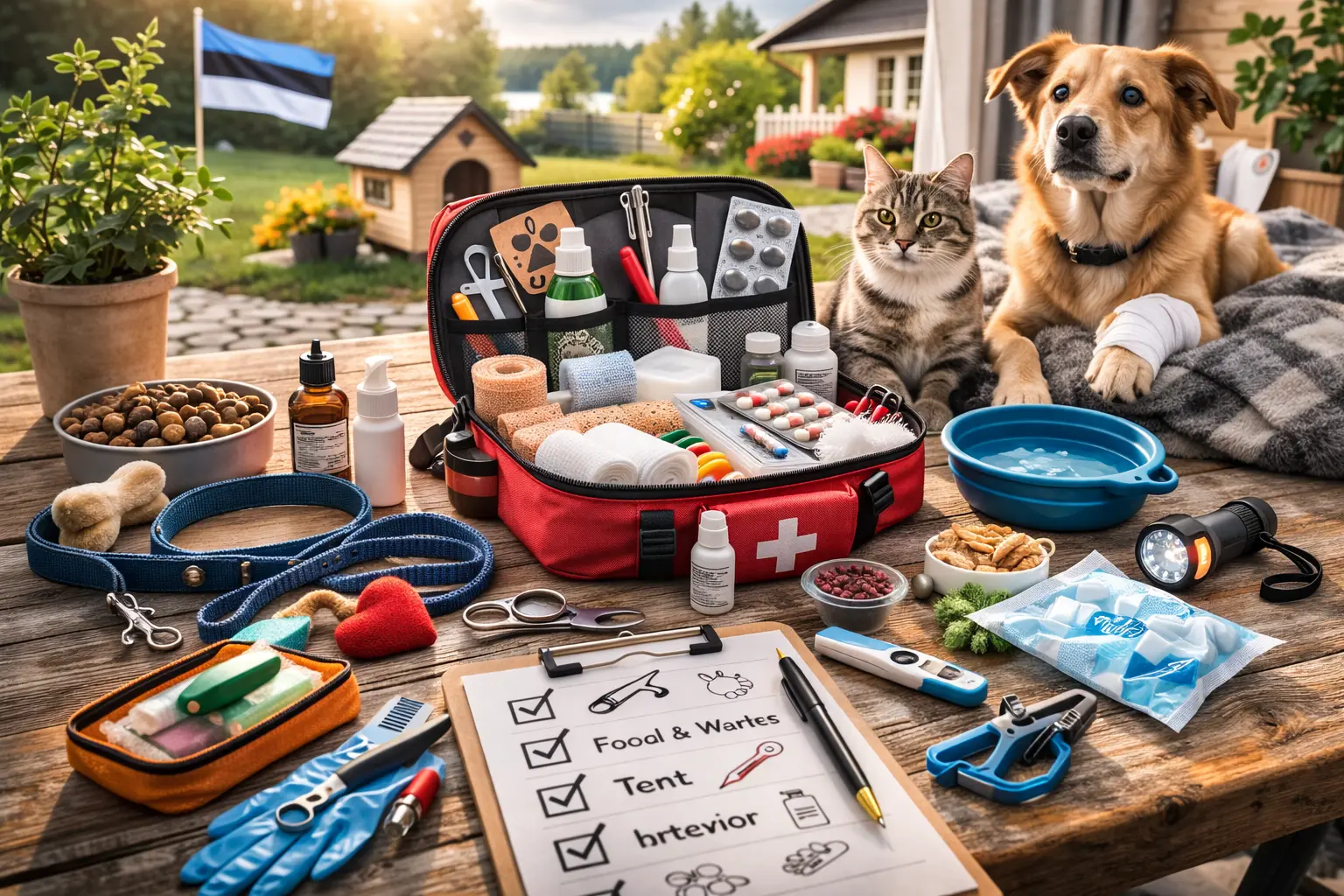
The first aid kit helps to deal with accidents and illnesses of the pet. Here's what it should contain.
Contacts
Phone numbers of a veterinarian and the nearest 24-hour veterinary clinic. Poison Control Center Number.
Treatment of wounds
Sterile gauze swabs and bandages, roller bandages, elastic bandage, adhesive bandage, wound treatment agent (hydrogen peroxide or chlorhexidine), antibacterial ointment. Do not use human medicines.
Tools
Nail nippers, tweezers (to remove splinters), muzzle (even a friendly animal can bite in pain), thermometer (digital, rectal), flashlight, scissors.
Medicines
Medicines prescribed by a veterinarian (if any), activated carbon (in case of poisoning, under the guidance of a doctor), saline solution (to rinse the eye). Never give human medicines without a doctor's permission - many are toxic to animals.
Other
Blanket or towel (in case of shock), warm bag (in case of hypothermia), plastic bags (for vomit or feces), collar or leash (to restrain the animal), a copy of the vaccination passport.
Storage
Store the kit in a cool, dry place, out of the reach of children. Check expiration dates regularly and top up if necessary.