














Introduction
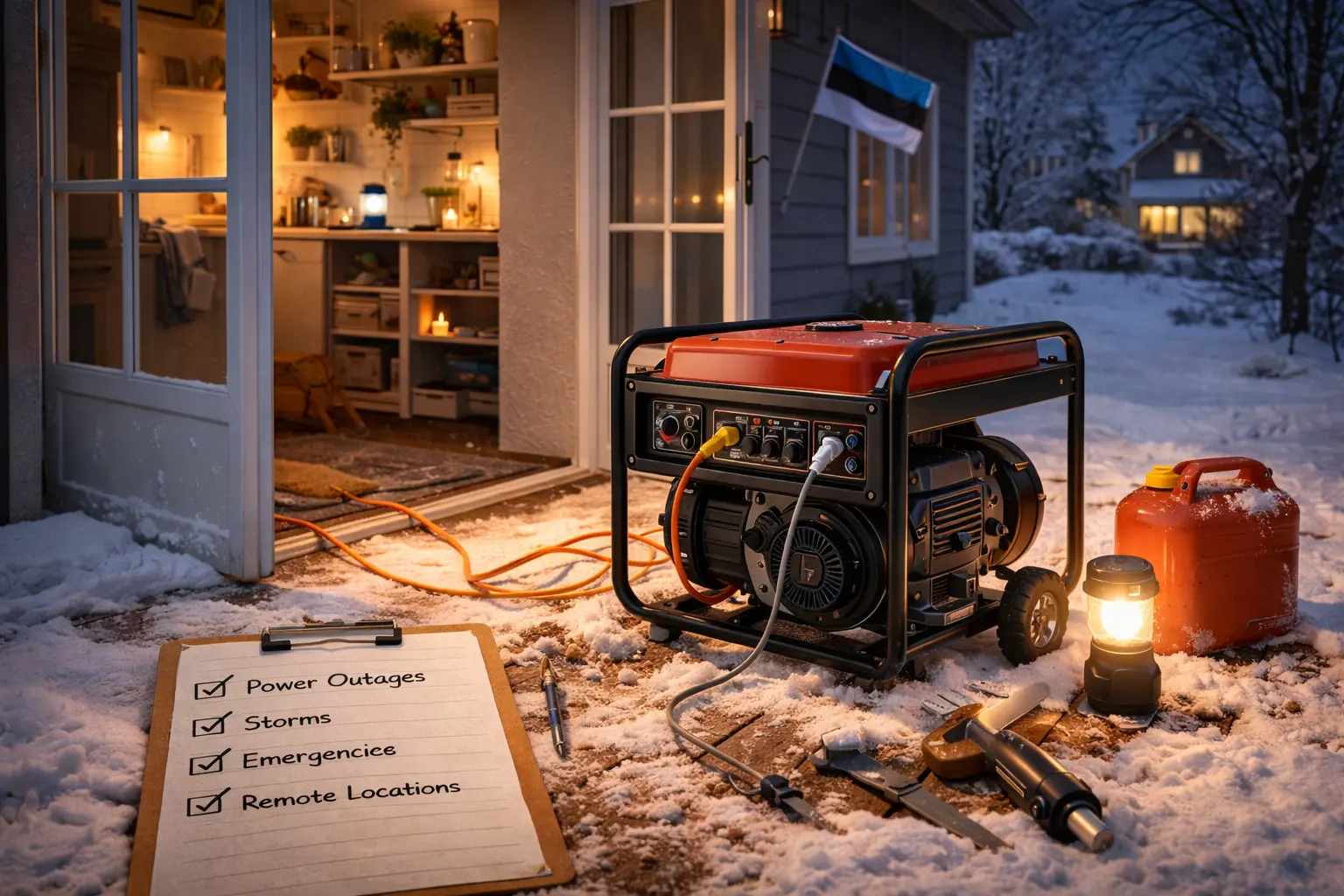
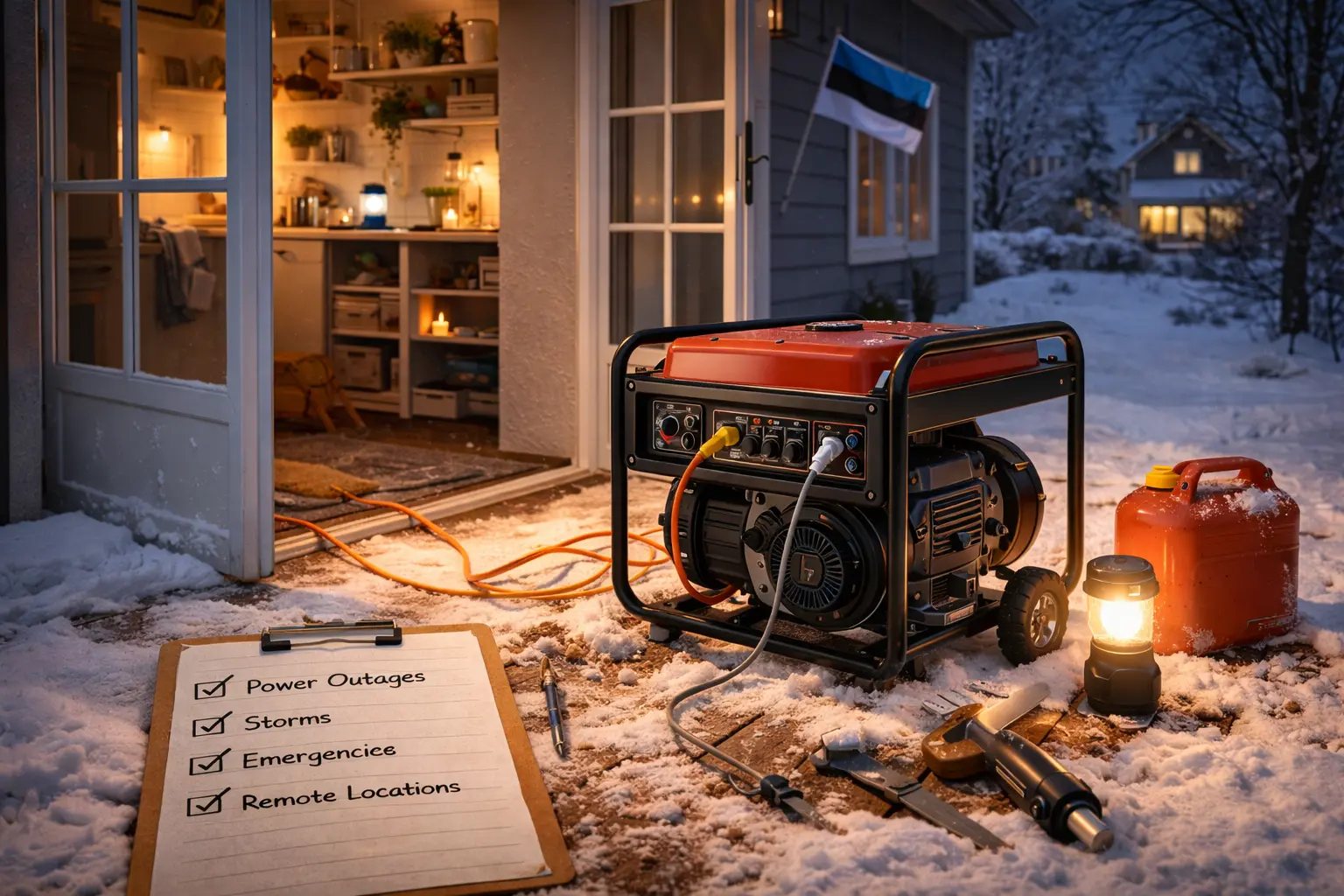
A home generator provides power in the event of a power outage. Here's what you need to know.
When is it necessary?
If you live in an area with frequent power outages. If you have the necessary equipment that must work - refrigerator, heating, medical equipment, water pump. If you work at home and need a computer. If you want to ensure security (lighting, security cameras).
Types
Portable Generator - Moveable, connected to a power source with extension cords. Cheaper, smaller, suitable for temporary use. Minus - you have to start it yourself, wires, noise.
Stationary generator - permanently installed, connected to the house's electrical system, starts automatically in the event of a power failure. More expensive, requires installation, but more convenient.
Power
Calculate which devices you want to power. Add their powers (in watts). Consider the starting current - some devices (refrigerator, pump) need more current when starting. Choose a generator with a constant power slightly higher than the calculated total power.
Fuel
Gasoline - common, cheap, but does not last long, stabilizer must be added. Diesel - more economical, longer life, but more expensive. Gas - cleaner, cheaper, but requires a gas tank or connection to the gas network. Multi-fuel - flexibility.
Safety
The generator should only be used outdoors, away from windows and doors - the exhaust gases are deadly toxic. Never plug a generator directly into house wiring without a switch - this can kill workers on the power line. Use extension cords designed for outdoor use.