









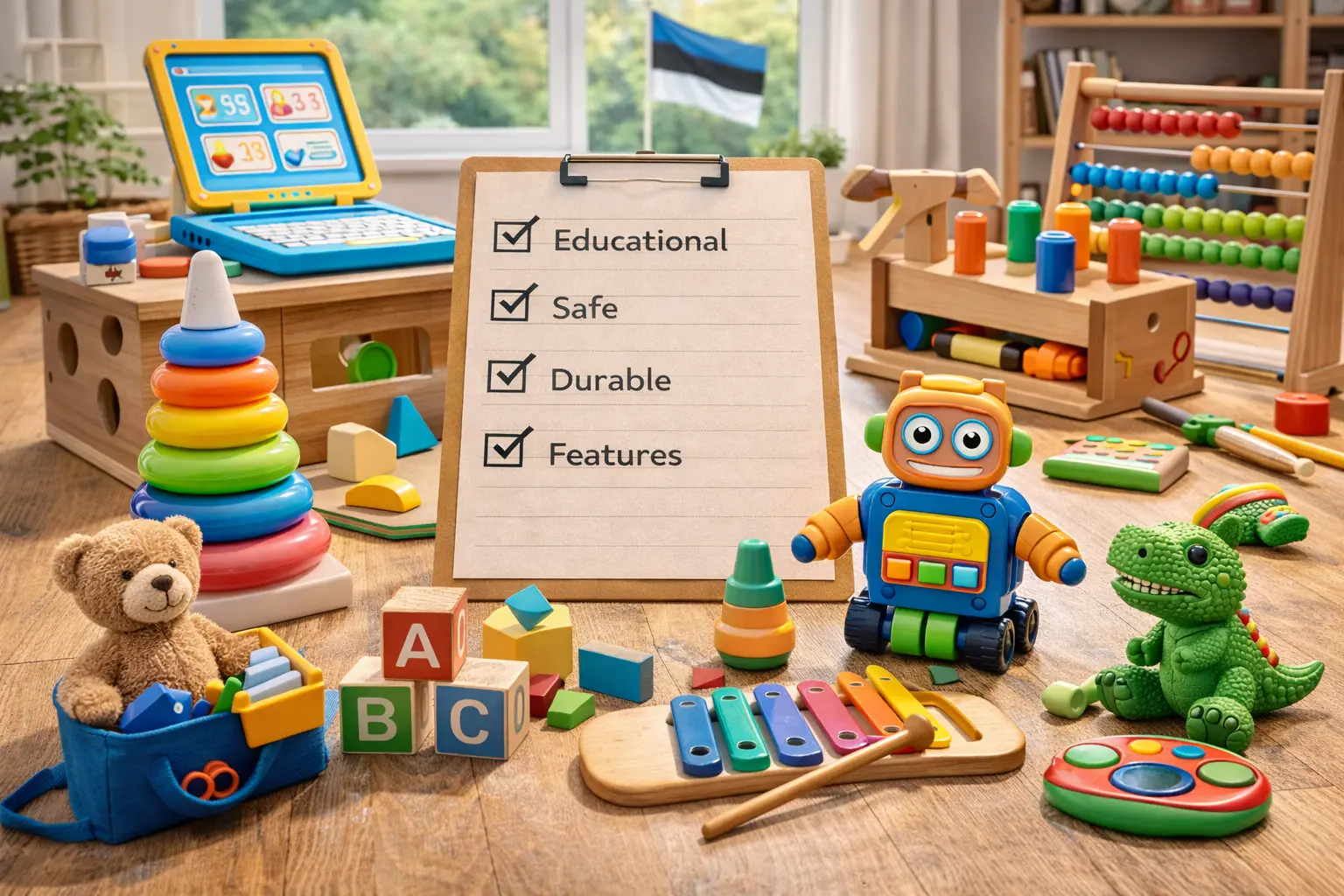
Introduction
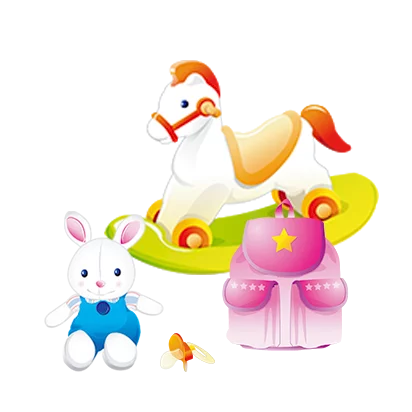
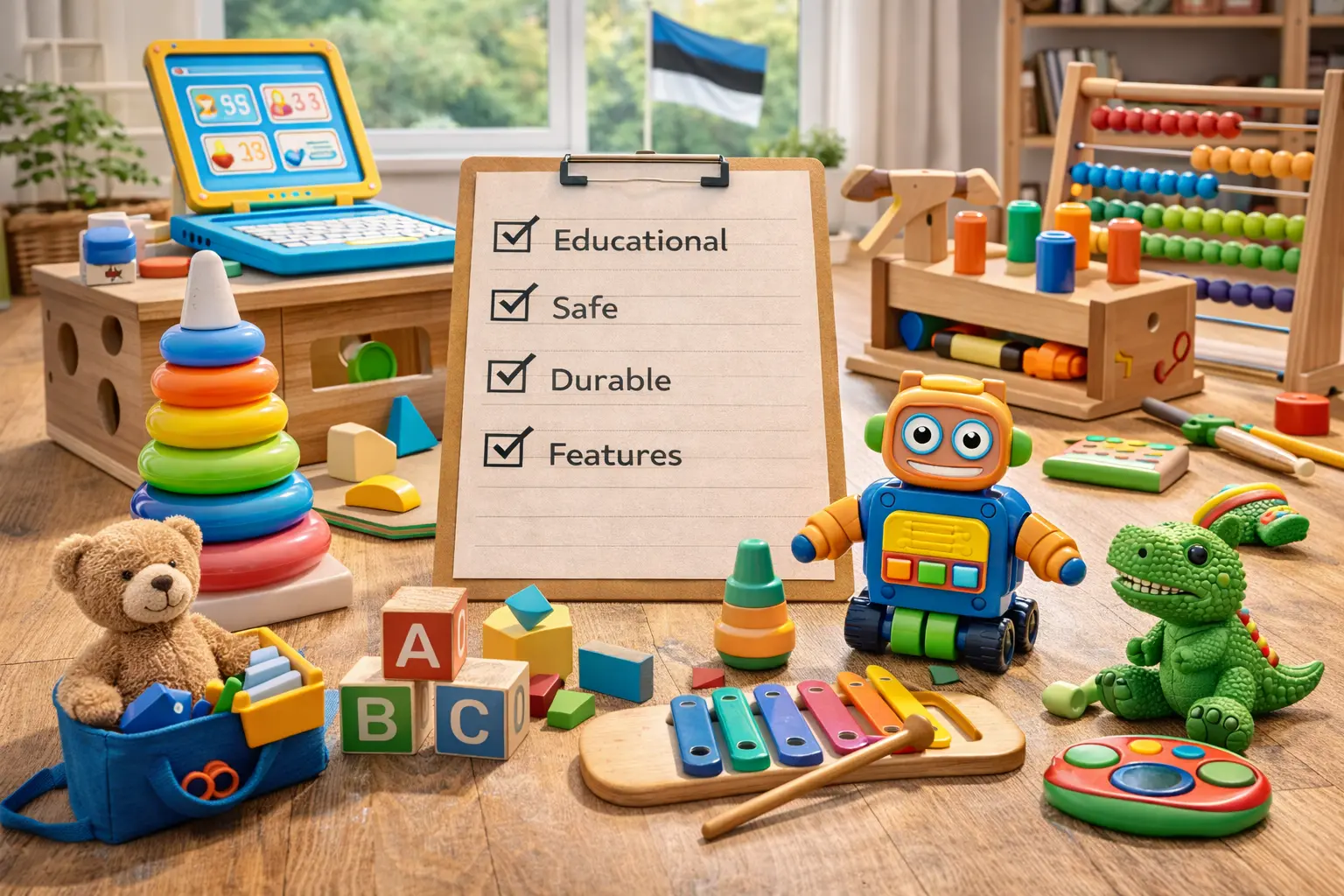
Toys are important in a child's development. Here's how to choose good and safe toys.
Age appropriateness
Each toy should correspond to the child's age and developmental level. Manufacturers mark the age - it's no accident. Small parts that can be swallowed are not suitable for small babies. Older children may find toys that are too simple to be boring.
Security
Check the CE mark - it shows that the toy meets EU safety requirements. Avoid sharp edges, loose parts, long cords. Odor Testing - A strong chemical odor indicates toxic substances. Wash the new toy before giving it away.
Materials
Wood - durable, natural, pleasant touch. Make sure the paint is non-toxic.
Plastic - lighter, easier to clean, but choose BPA-free.
Cloth - soft, but check that no small parts come off.
Educational value
A good toy develops - motor skills, creativity, thinking, social skills. Building blocks, puzzles, art materials, role play are great. Too many electronics can stifle creativity.
Durability
A good toy can withstand being thrown, chewed, stepped on. Check seams, joints. Read reviews - other parents share their experiences.
Used toys
Clean and disinfect thoroughly. Avoid soft toys that cannot be washed. Check that all parts are still there and working.