


















On a dark November evening, a frozen video call or endlessly loading film can make a new router look tempting. Before buying anything, spend one evening finding out where the problem appears. The useful result is a small comparison you can act on, not the highest speed recorded in a convenient corner.
Describe one repeatable problem
Write down the room, device, approximate time and what failed. “The laptop call breaks up at the kitchen table after dinner” is more useful than “the internet is bad”. Try the same activity on another device in that spot. If only one device struggles, investigate that difference before replacing equipment for the whole home.
Choose two or three fixed test positions. Use the same device and testing service each time, and note whether you were using Wi-Fi or a cable. Keep the results, including the disappointing ones.
Make a comparison without Wi-Fi
Elisa recommends a wired speed test with other internet traffic paused. Follow your provider's connection instructions rather than changing unfamiliar cabling.
Compare that result with your normal working spot. If the wired test is also poor, an extender should not be your first purchase: send the observations to your provider. If you cannot test by cable, record that limitation rather than treating a nearby wireless test as equivalent. Repeat the comparison when the problem normally happens.
Try one placement change
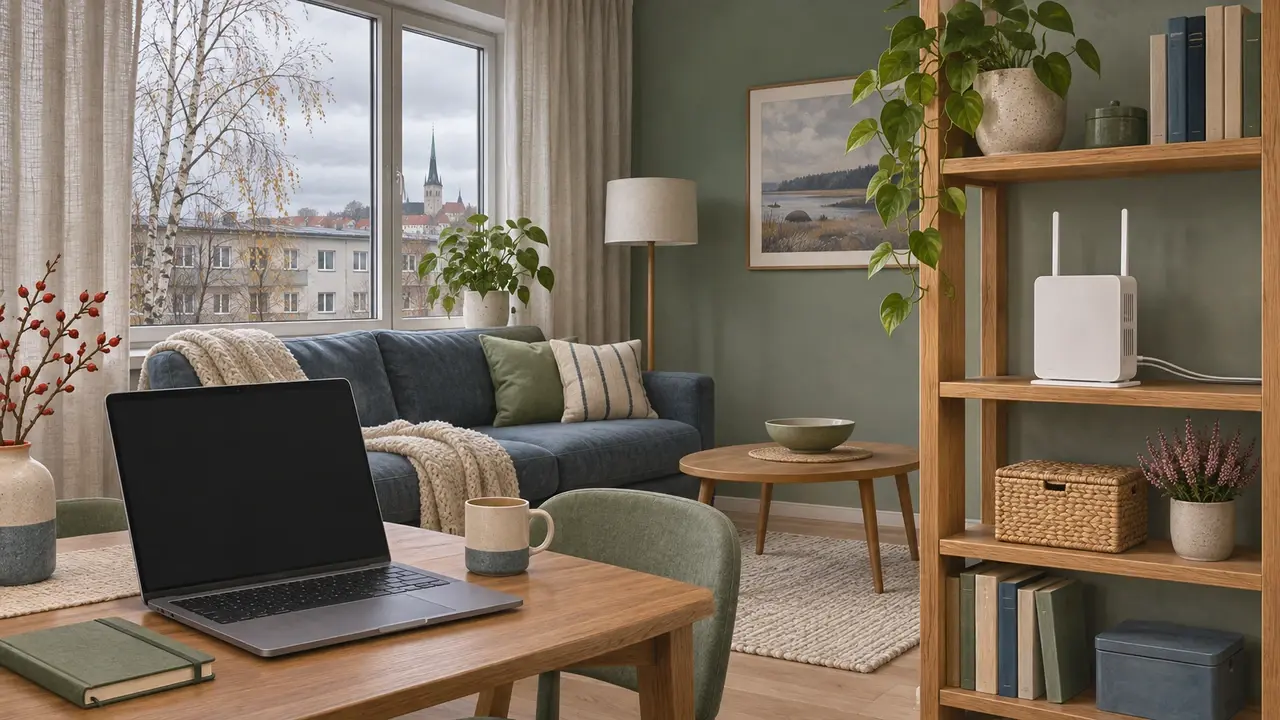
Telia advises choosing a router position around actual usage areas rather than hiding it behind furniture. Photograph the starting arrangement so you can restore it.
Change one thing, repeat the same checks and keep the better arrangement. Leave required ventilation clear and avoid stretching cables or running them across a walkway. For mobile home internet, ask the provider before relocating an installed outdoor unit.
Buy for the remaining problem
TP-Link recommends placing an extender between the router and the weak area, still within usable router coverage. The far room's empty socket is not automatically suitable.
Take your room-by-room notes to the seller or provider. Ask what the proposed equipment would change in your actual layout and how you can check that result. A purchase is easier to judge when success means a reliable call at your desk, not an impressive number on a box.