


















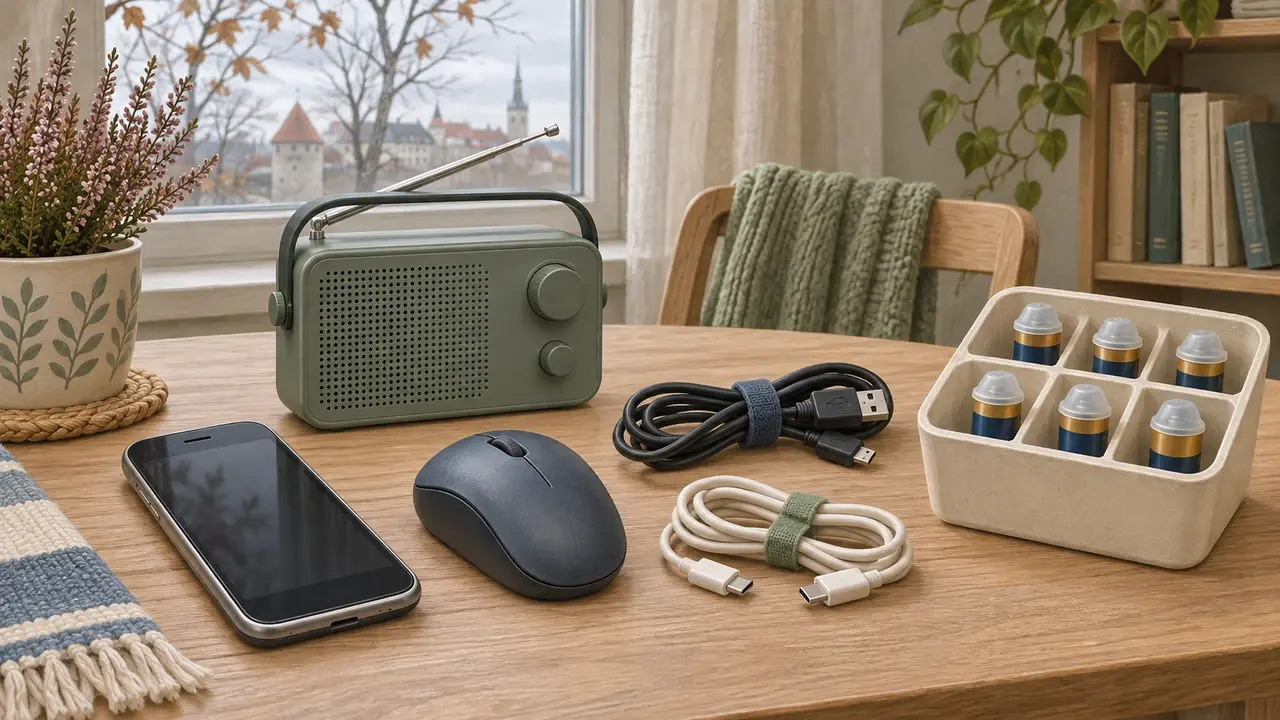
Clearing a cupboard before winter often produces a mixed pile: a working appliance nobody needs, an incomplete device and something that stopped working years ago. Do not give all three the same destination. Decide what outcome each item needs before arranging a sale, donation or journey to a collection point.
Separate a usable item from an unresolved problem
For a working item, write one honest sentence about what you have actually used and what accompanies it. Offer it for reuse only with a clear description. Ask the intended recipient whether they want that particular device before arriving with a box.
Put uncertain or faulty items on a separate list. “Free” should not make a defect disappear from the description. If repair has not been assessed, say so. Choose a deadline for deciding the next step, rather than returning the whole pile to the cupboard.
Check the collection route before travelling
Estonian rules require electronics retailers with at least 400 m² of sales space to accept devices with every external dimension at most 25 cm free, without a purchase.
Measure the actual item, including protruding parts, and ask the shop where handover takes place. For larger items, contact an official collection point or ask a retailer about the applicable return arrangement. Free acceptance does not automatically mean someone will collect the item from your home.
Before loading the car, confirm three practical details: whether that location accepts your item, its current opening hours and any conditions relevant to your visit. Say whether the appliance is incomplete or damaged. Do not rely on an old map screenshot.
Prepare the handover, not a dismantling project
The ministry's sorting guide includes waste stations and collection rounds, and allows collection of devices without removing their batteries.
Do not open a casing simply to sort its materials. Ask collection staff how to handle an unusual or damaged item. For devices containing personal information, resolve your data preparation before handover; keep that task separate from choosing the collection route.
Finish with a specific plan
Write one destination and one next action beside each item. Keep reuse appointments separate from collection trips. A short list such as “recipient confirmed, Saturday” or “call collection point about missing parts” turns a cupboard clear-out into work that can actually be finished.