


















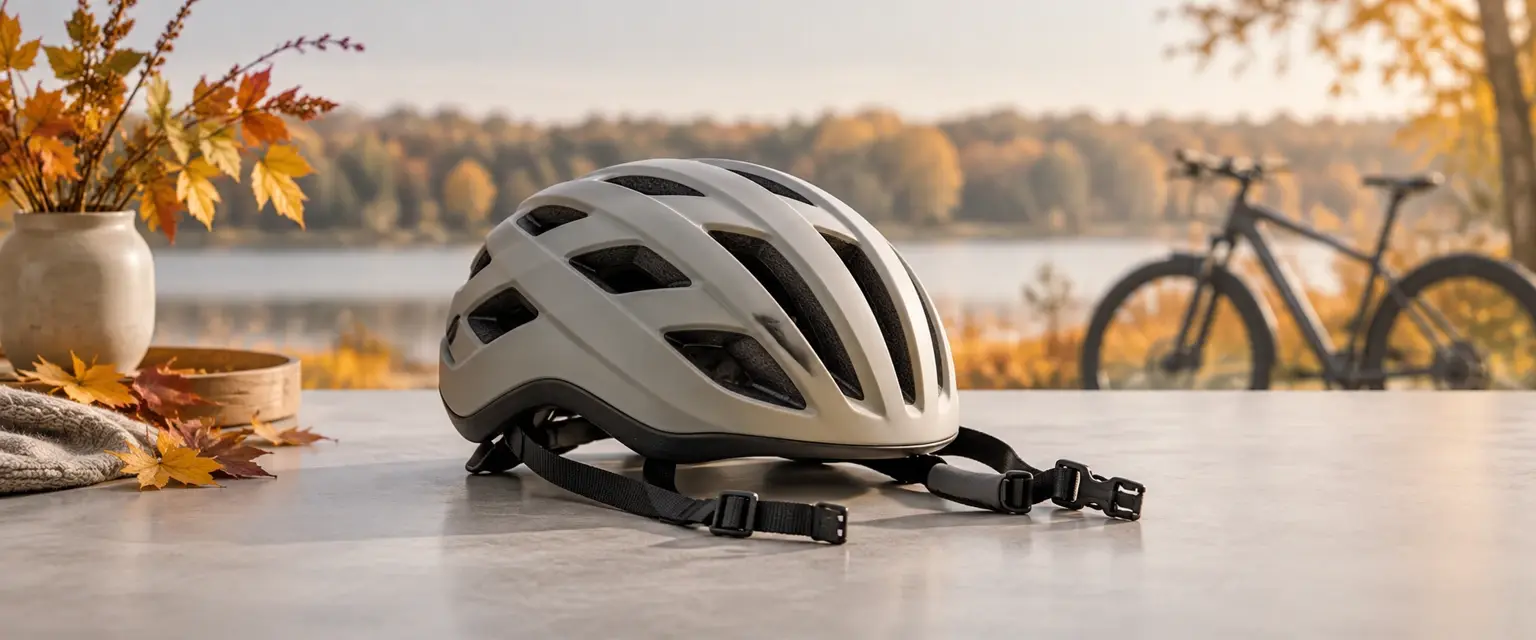
Autumn cycling clear-outs can look attractive. A helmet, however, is not an item you can assess from photographs alone. If its history is unknown, an unmarked finish does not make the purchase safe. That separates it from a bicycle bag or stand.
Inspection cannot recover its history
Bell explains that a severe impact may damage the shell and energy-absorbing liner without visible signs. After such an impact the helmet must be replaced even if it looks intact. Washing it, changing comfort pads or taking better photographs does not remove that requirement.
The practical buying decision is to decline a helmet whose history cannot be established confidently and choose a suitable new one from a reliable source. Health Canada specifically advises against second-hand single-impact helmets. This is safety guidance, not a statement of Estonian law.
Useful information has limits
For your own helmet, retain the model, size, purchase date and instructions. Ask not merely whether a bicycle fell but whether the helmet was struck, how it was stored and what cleaning products were used. Answers may identify a reason to stop using it; they cannot provide a remote safety certificate.
Do not squeeze, tap or strike it as a home diagnostic test. Glue over a crack or new comfort padding does not repair the protective liner. The Bicycle Helmet Safety Institute rules out repairing cracked foam. If there is damage or doubt following an incident, consult the model's manufacturer and do not ride in it until resolved.
Try a new helmet on too
Buying new does not remove the need to check size and intended use. Adjust the retention system as instructed; the helmet should not slip over the eyes or expose the forehead. A brand name or high price cannot compensate for poor fit. Do not transfer motorcycle, ski or workplace helmet rules to a cycling helmet.
Do not give every helmet the same replacement age: consult your model's guidance. No helmet protects against every possible impact or replaces careful riding.
Remember
- Unknown history is a reason to decline.
- An intact exterior does not rule out hidden damage.
- Cosmetic repairs cannot undo impact damage.
- Size, purpose and adjustment need separate checks.
- Do not sell a damaged helmet as protective equipment fit for use.
Sources
Bell: Bicycle Helmet Owner’s Manual; Health Canada: Second-hand products; Bicycle Helmet Safety Institute: Helmet Repairs