















When arranging a laboratory test for a private well, the first useful action is a conversation, not filling a bottle. A sample collected without an agreed purpose or delivery plan may fail to answer your question. This guide concerns ordering and organising an analysis in Estonia, not disinfecting a well, choosing treatment equipment or deciding medical questions.
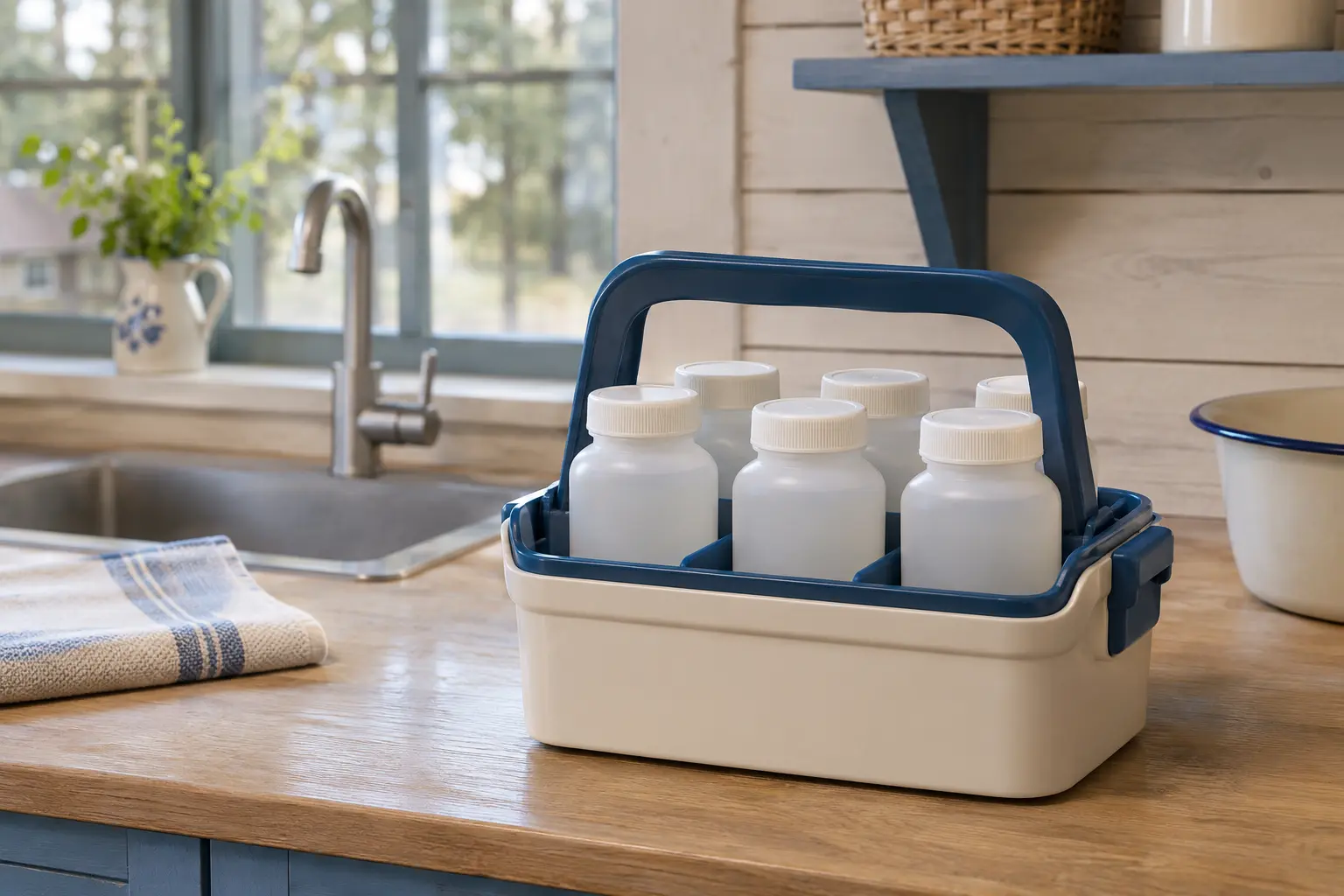
The cover is an AI-generated illustration, not a sampling instruction or an example of approved containers and transport conditions.
Describe the question before choosing a package
Prepare a short description: dug well or borehole, where the water is used, whether treatment equipment is present, and why you want an analysis now. Mention observations and recent changes without diagnosing their cause. A note such as “the water changed colour after work on the system” is more useful than an unsupported conclusion about contamination.
Ask the laboratory which indicators and sampling point suit that question. Testing source water, water after household plumbing and water after treatment are not interchangeable tasks. Terviseamet's sampling guidance distinguishes different purposes; do not select a tap or preparation procedure merely because it is convenient. If a report is required for a transaction or official procedure, tell the laboratory who will use it and ask that recipient about its requirements before ordering.
Agree the service and collect the right kit
Ask for the scope and total price, including sampling, travel or reporting extras where applicable. Clarify who will collect the sample and when the report is expected. Terviseamet offers paid sampling as well as analysis; confirm whether that service can cover your location. Choose professional collection if you cannot safely follow the specified procedure, reach the agreed point or meet the transport requirements. Do not climb into a well or improvise access.
Get the required containers from the laboratory before collecting water. Keep each container with its supplied instructions. Do not substitute a washed drinks bottle, combine containers or assume all bottles should be rinsed and filled identically. Ask about unfamiliar labels without opening or altering the contents. If the kit is damaged or unclear, resolve that before sampling rather than trying to repair the preparation yourself.
Plan delivery backwards from reception
Check the actual reception point, date and deadline before choosing the sampling time. The nearest office is not automatically a daily sample reception service. Confirm the permitted interval from collection to arrival and the storage and transport conditions for your particular tests. Terviseamet publishes indicator-specific container and holding-time guidance, so a timing rule for another test is not a substitute.
Build the journey into your plan. Who will drive, what protects the containers, and what happens if arrival becomes impossible? Do not assume an ordinary parcel service is suitable. Ask about any shipping arrangement in advance. Avoid collecting on the assumption that you can keep the water until an unspecified convenient day.
Keep the sample and paperwork connected
Follow the laboratory's written instructions for collection and identification. Record the actual place, date and time, the agreed water source and any departure from the plan. Make sure the labels correspond to the order. If you discover a spill, delay or mistake, tell reception exactly what happened. Acceptance is assessed by the laboratory; quietly changing the recorded time does not fix the sample.
When the report arrives, check that its identity and requested indicators match your order. Ask for an explanation of unclear findings and what further investigation is appropriate. Do not present a result for one sample and selected indicators as a permanent guarantee for every tap or every possible substance. Keep the report, sampling record and any later specialist recommendations together. The useful outcome is a documented answer to the agreed question, with a clear next step where uncertainty remains.