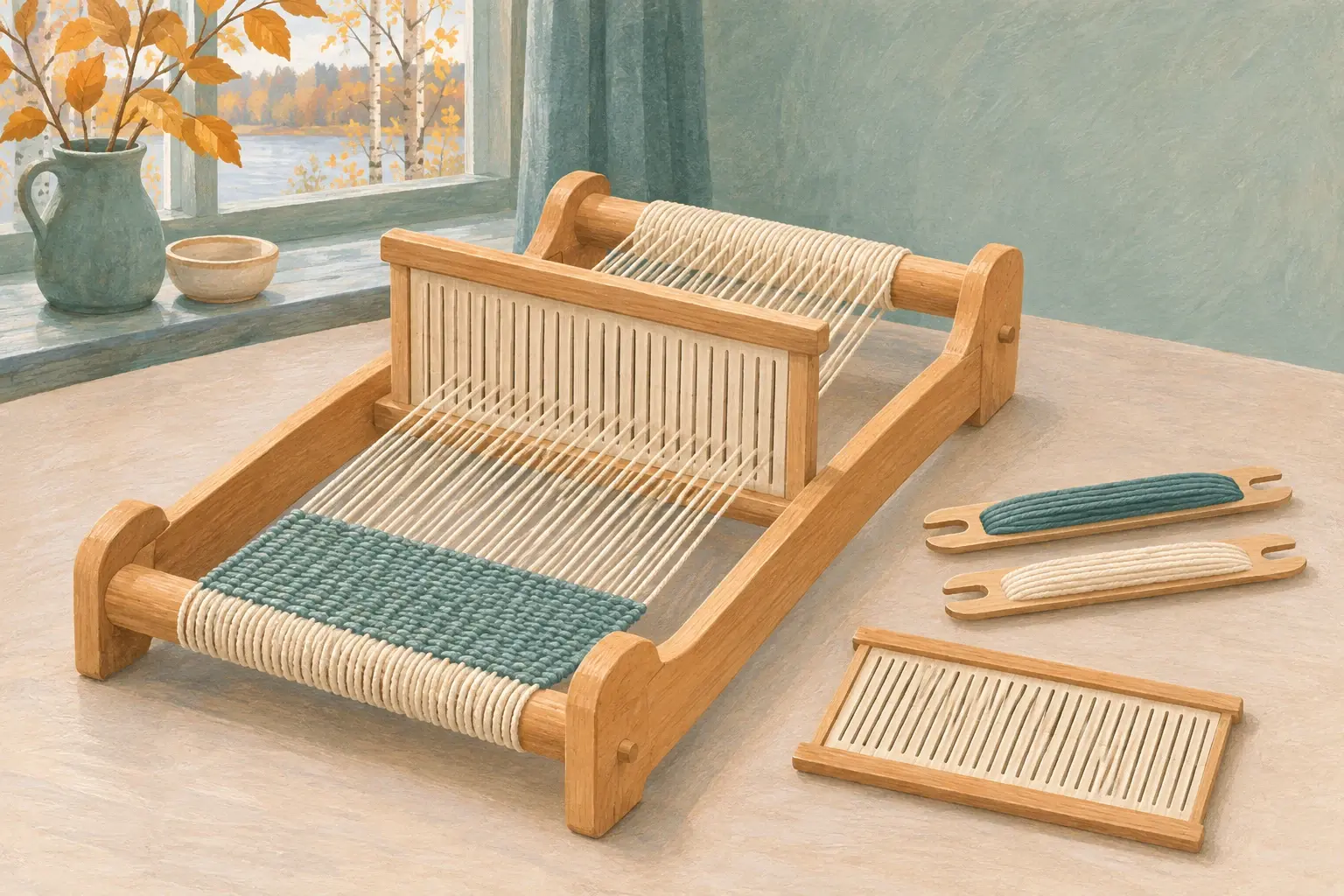
A second-hand tabletop loom: weaving width, rigid heddle and included parts
Check the usable weaving width, identify the rigid heddle and list the included parts before buying a small loom second-hand.
Practical advice, market analytics and useful instructions for safe purchases, sales and business development.
Check the usable weaving width, identify the rigid heddle and list the included parts before buying a small loom second-hand.
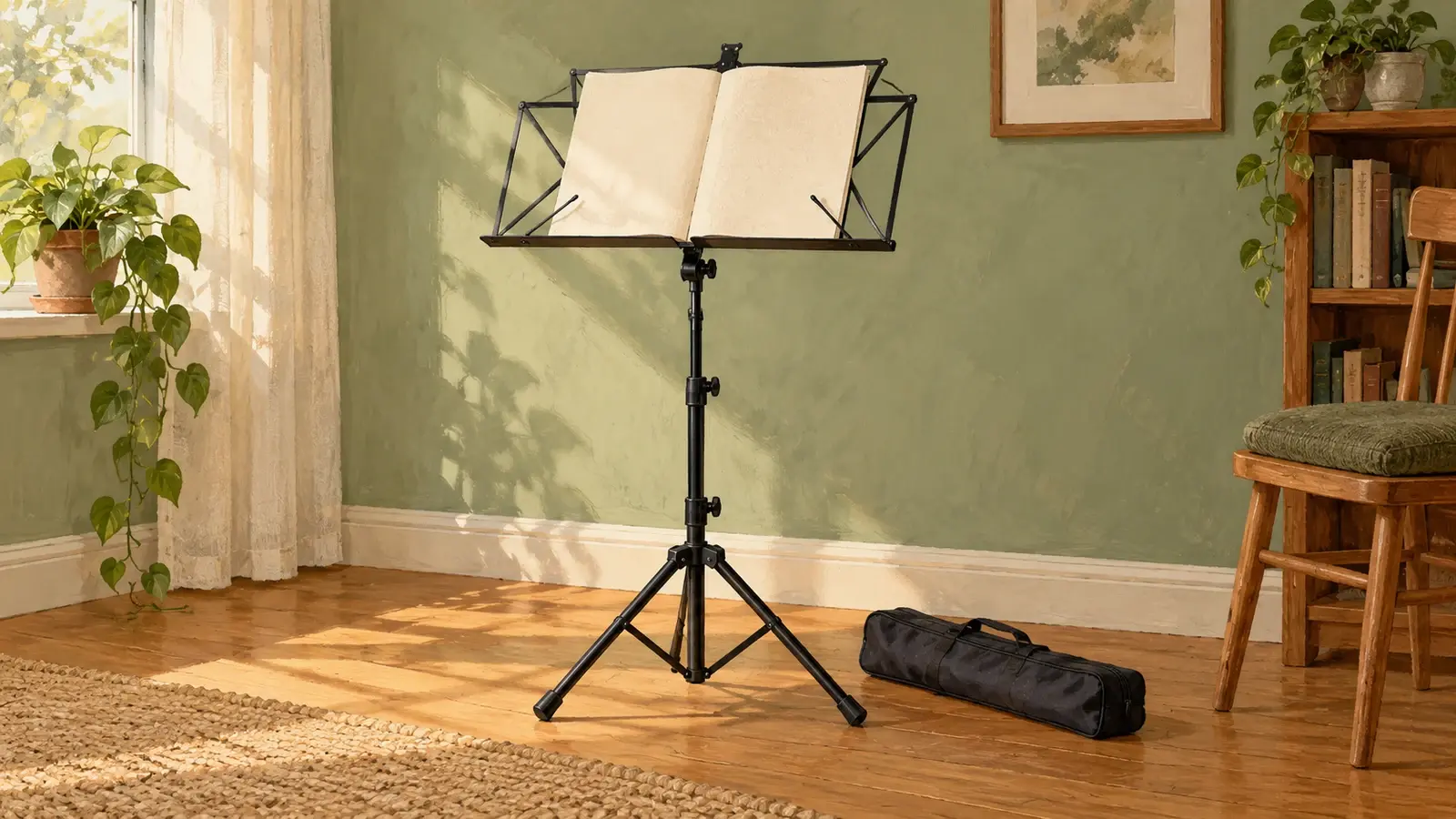
Assess the sheet support, height, folding joints and carrying bag without stress tests or promises that every score will fit.
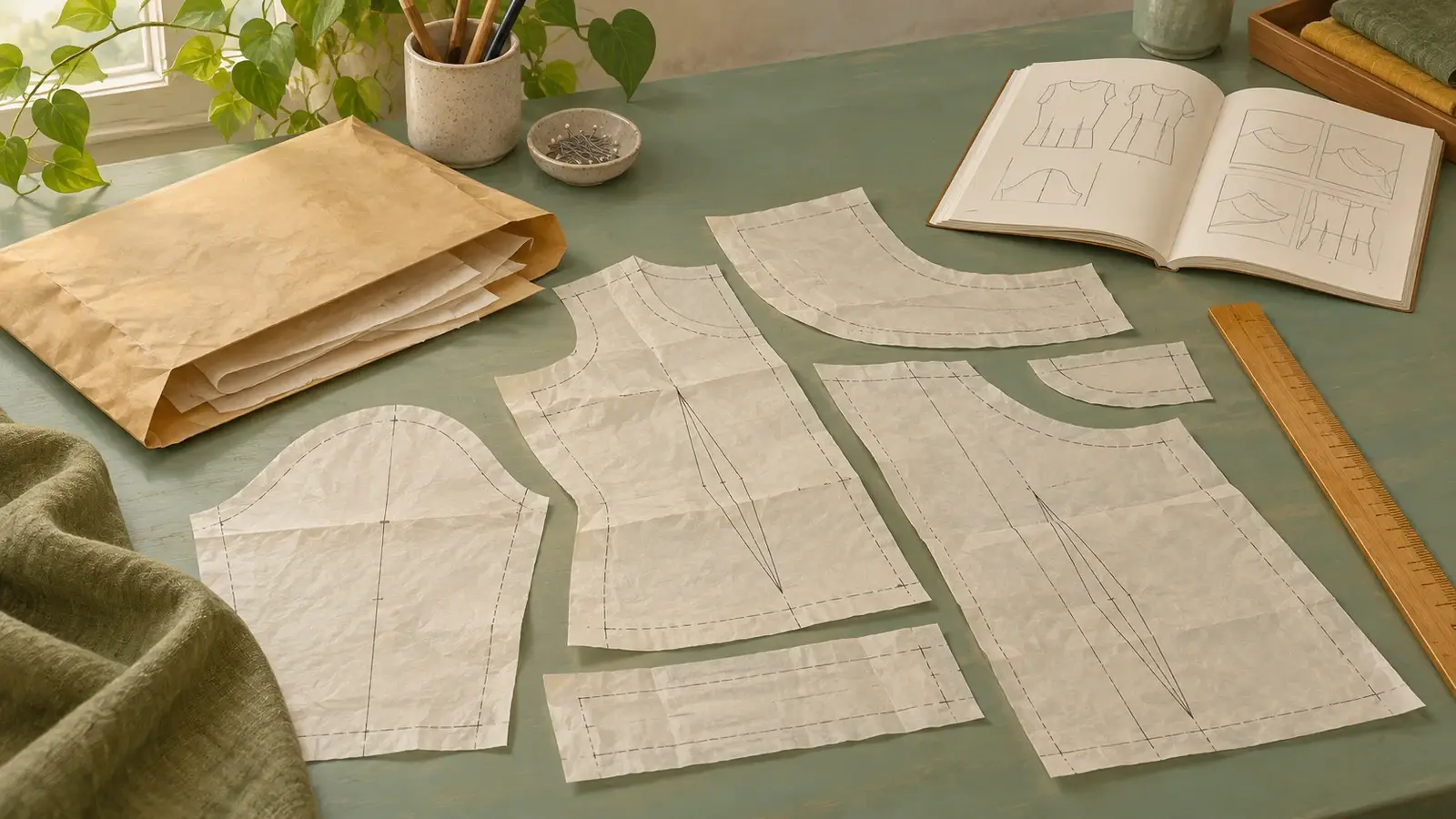
Distinguish the printed size range from the lines still present and make an honest inventory of a paper sewing pattern.
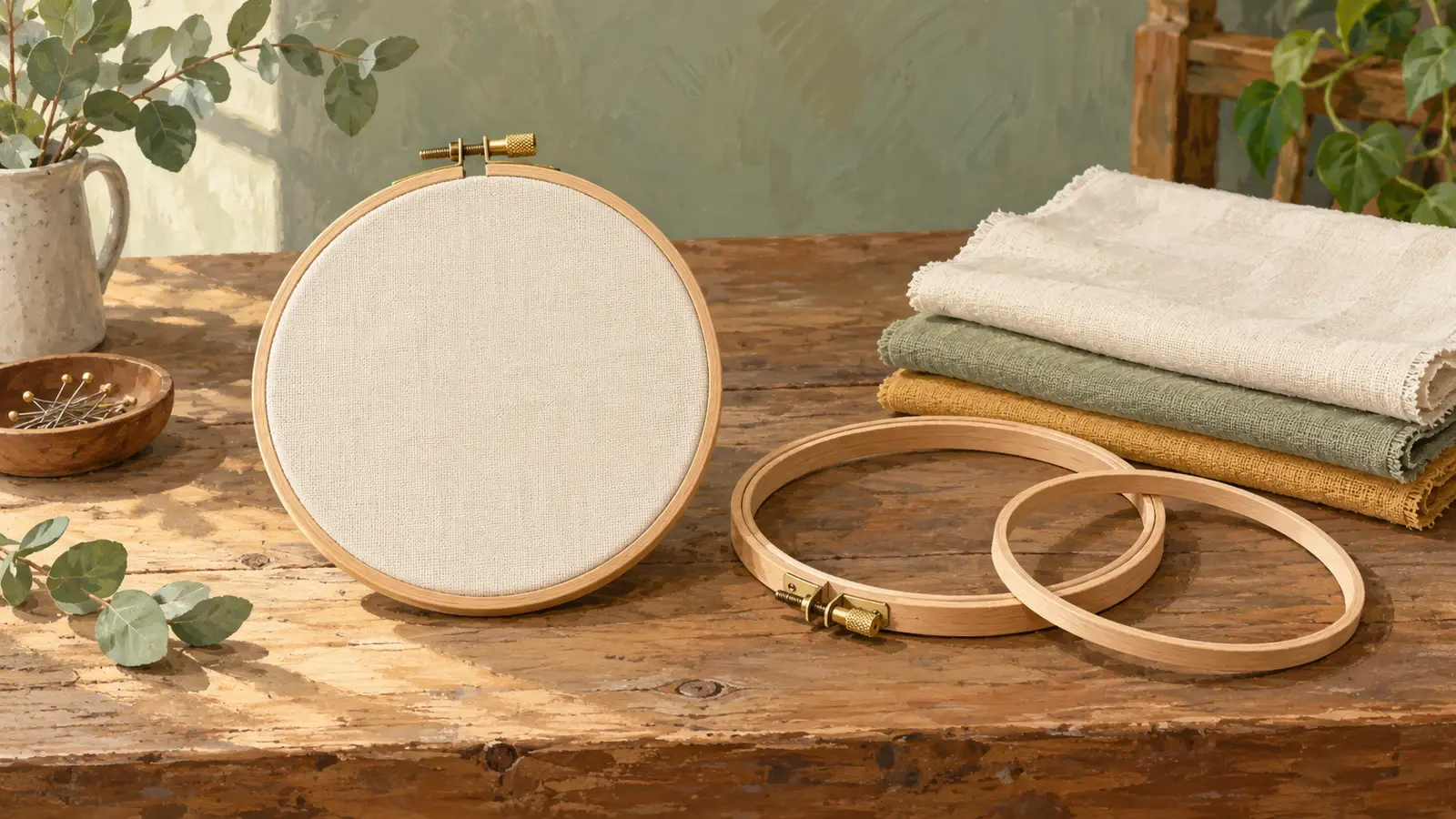
Choose a hand-embroidery hoop by inspecting its rings and fastener, then agreeing a gentle test with spare fabric.
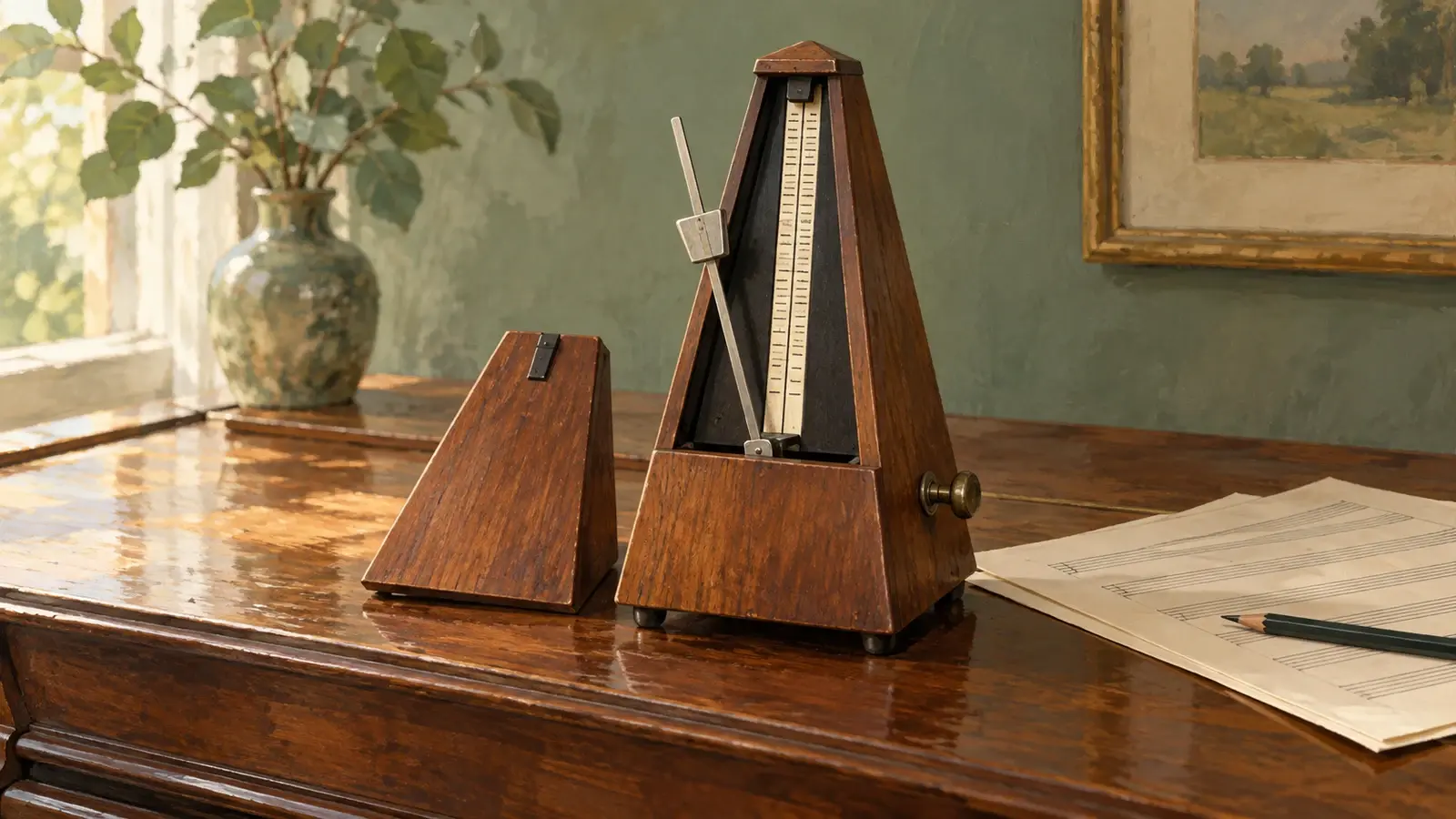
Prepare a clear inspection of a wind-up metronome without mistaking a tidy case or a short video for proof of timing accuracy.
Measure the canvas, check the supports and adjustment knobs, and plan both a working position and a storage space before buying.
Keep records with their sleeves and describe identification, visible condition and listening checks separately when selling a small collection.
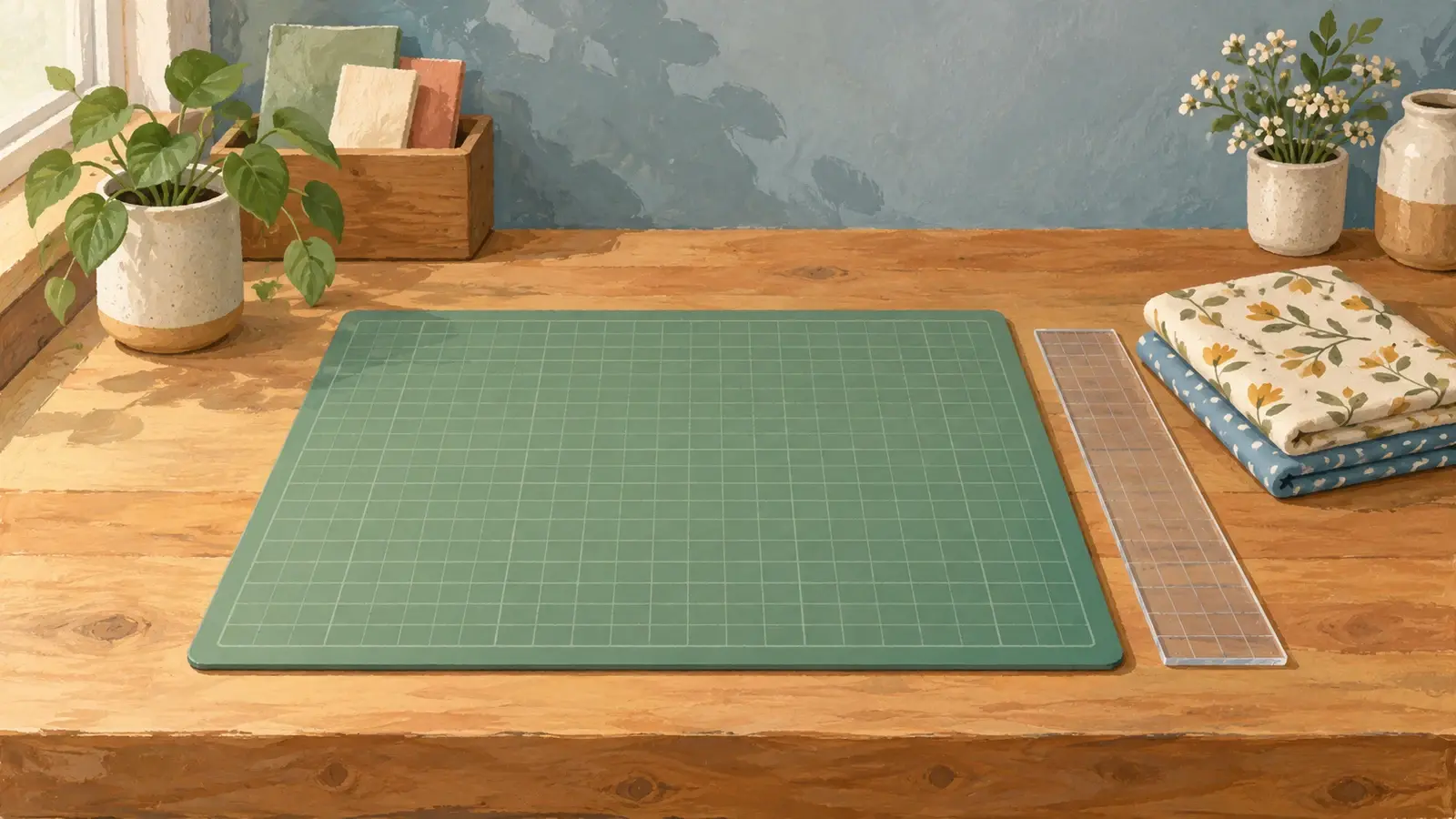
Check a used cutting mat’s working area, flatness and grid, then plan storage that does not require bending it.
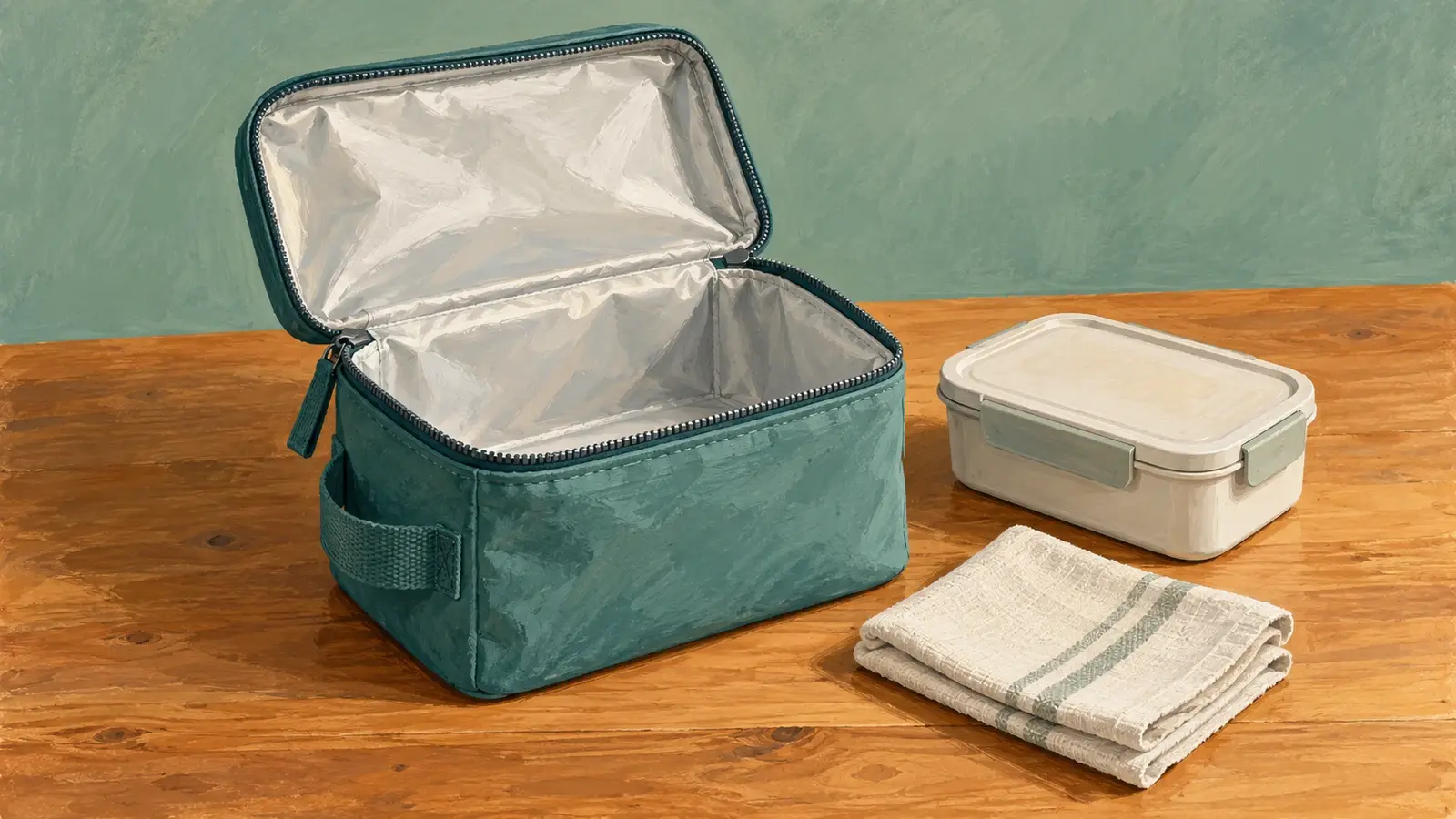
Check the lining and seams, choose the right care and describe a used insulated lunch bag without unsupported cold-holding promises.
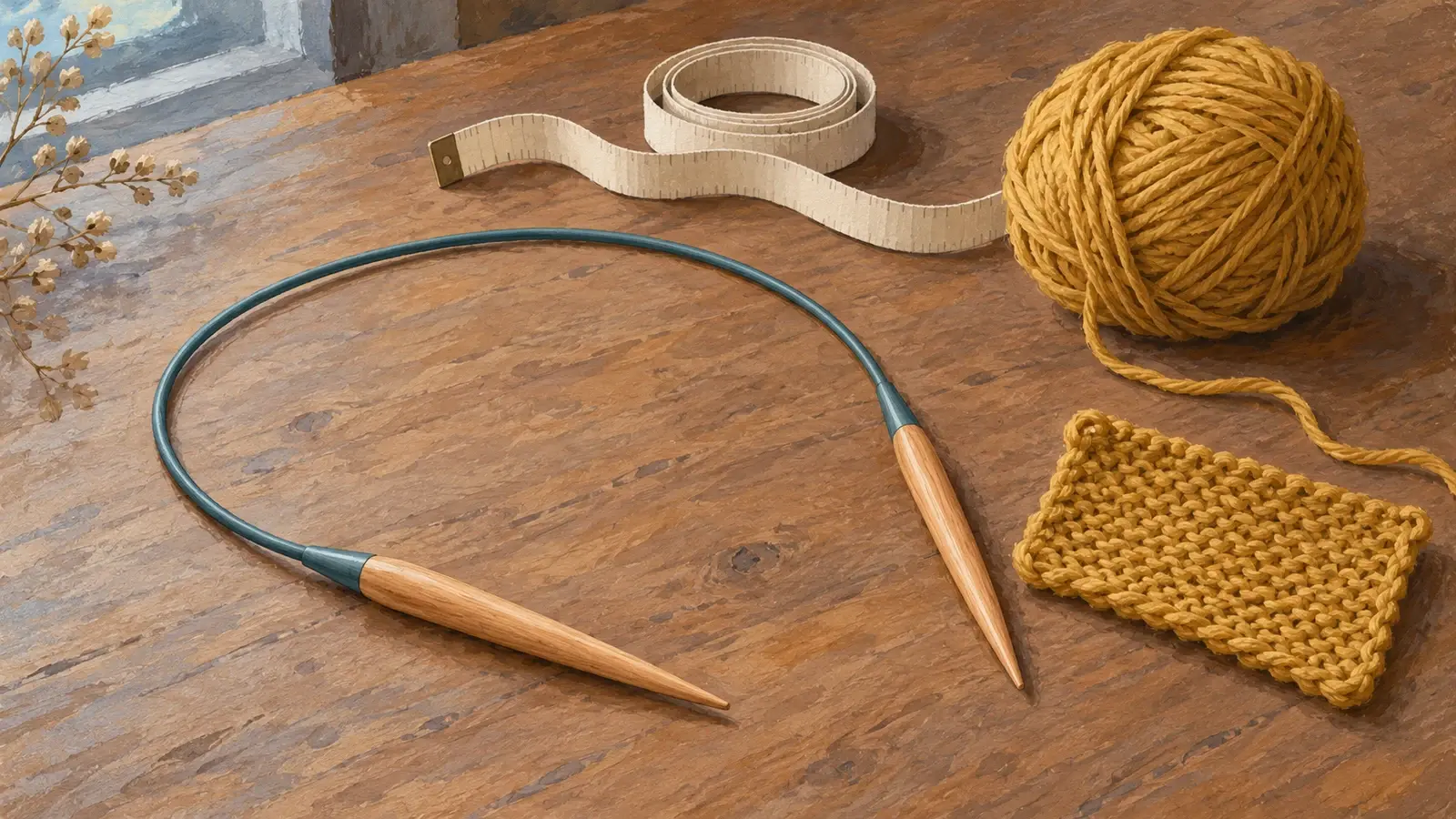
Check the complete length, inspect the joins and build a useful second-hand needle set for a specific project.
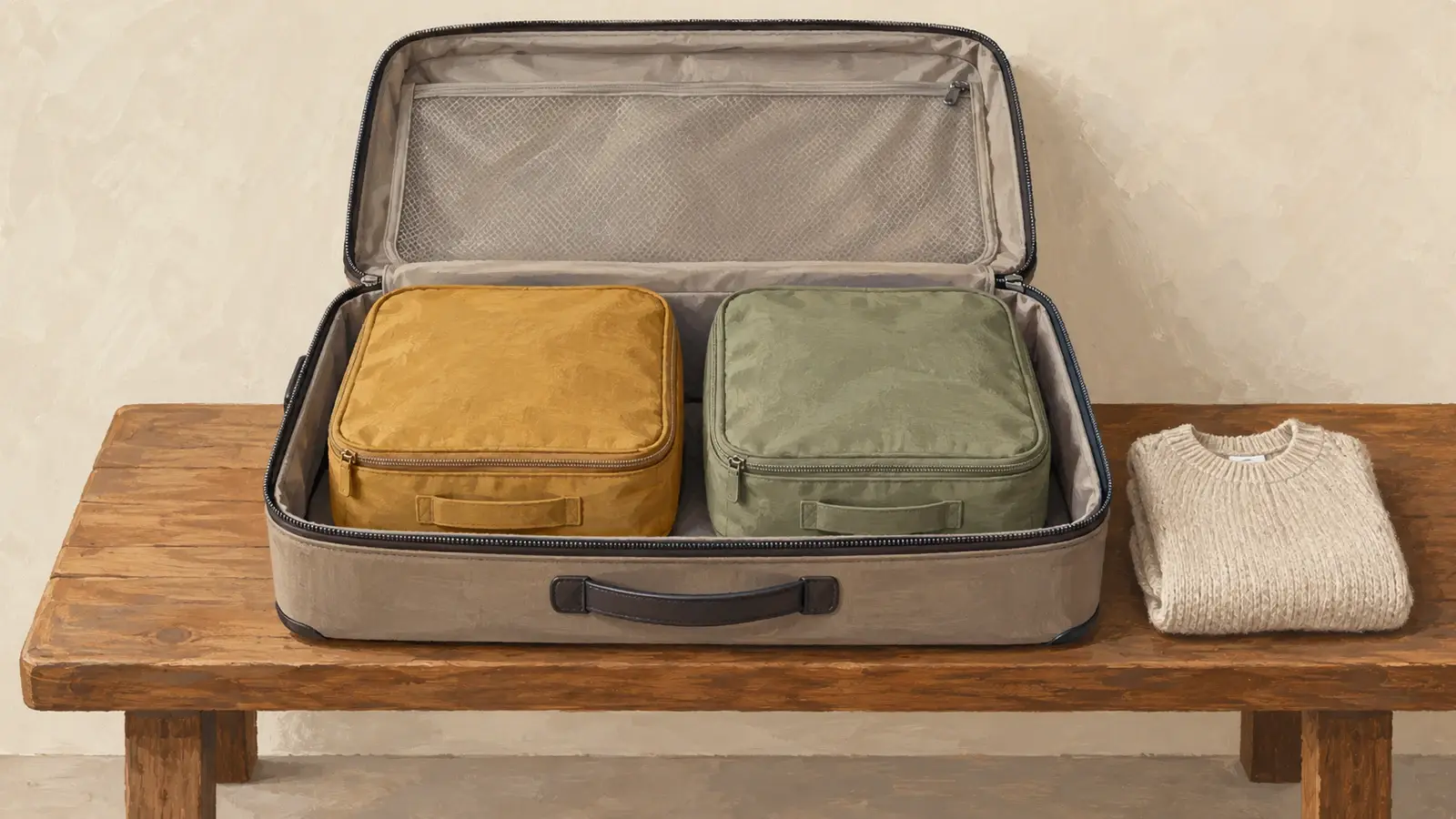
Match packing cubes to your luggage, inspect the zips and distinguish compressing clothes from reducing their weight.
Sort a mixed box of bobbins, establish compatibility with your machine and describe a second-hand set without guesswork.
Finish a painting session with gentle brush care. A remaining tint in the hairs does not necessarily mean damage.
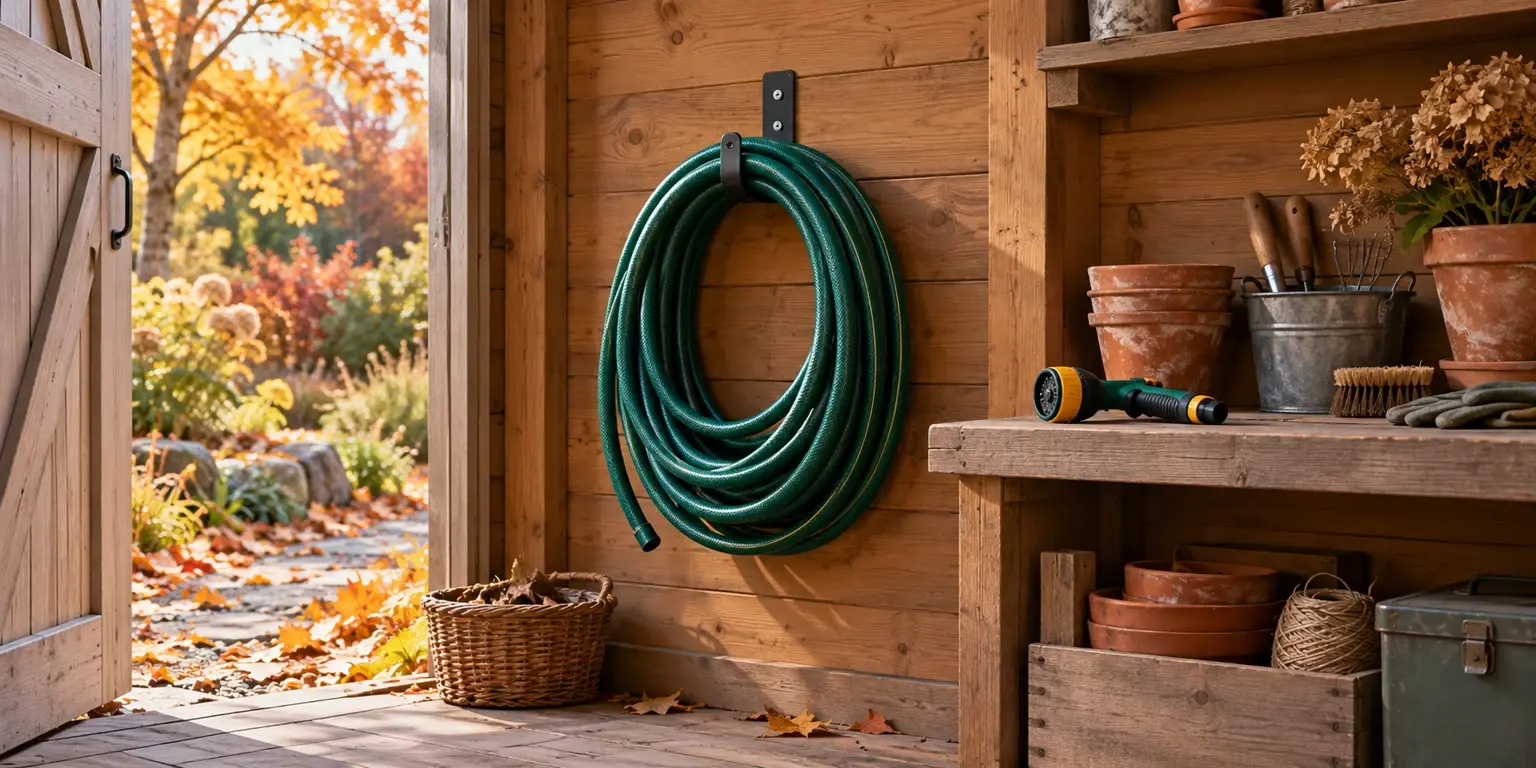
A practical plan for disconnecting, draining and storing hoses, attachments and reels without assuming that every part is frost-proof.
Find the instructions for your mat, avoid unsuitable soaking and let it dry fully before rolling it away.
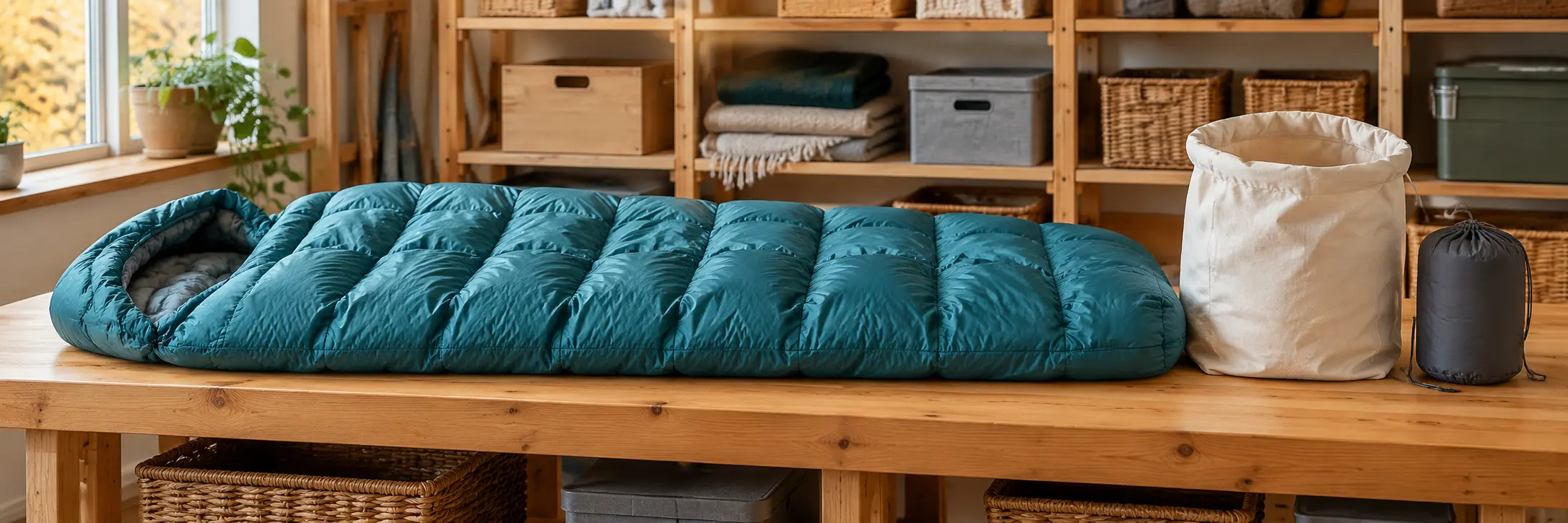
Dry your sleeping bag fully, check its care label and choose roomy storage. For a future sale, record the fill, dimensions, labels and included bags.
Sort unpowered garden tools after the season, remove soil, record defects and choose dry storage. Cleaning is not a substitute for a condition check.
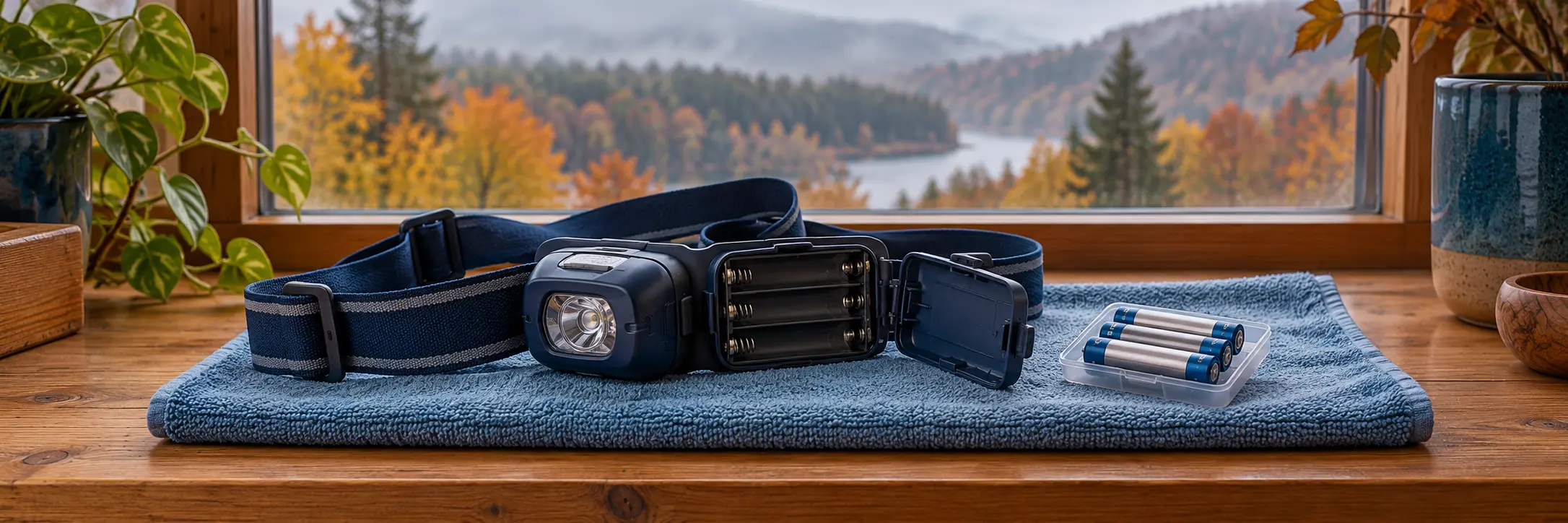
A practical headlamp routine for dark evenings: check the fit and controls, follow drying instructions and use the correct lockout before packing.
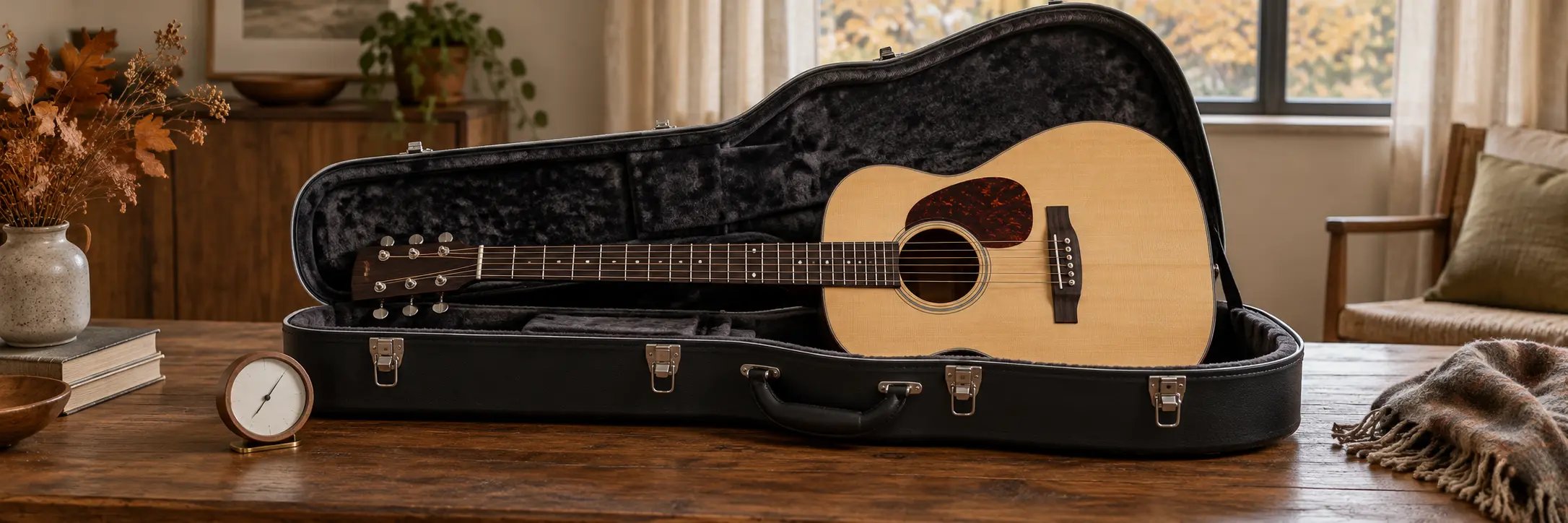
A practical humidity routine for an acoustic guitar: where to measure, how to use the case and what to ask when buying a used instrument.
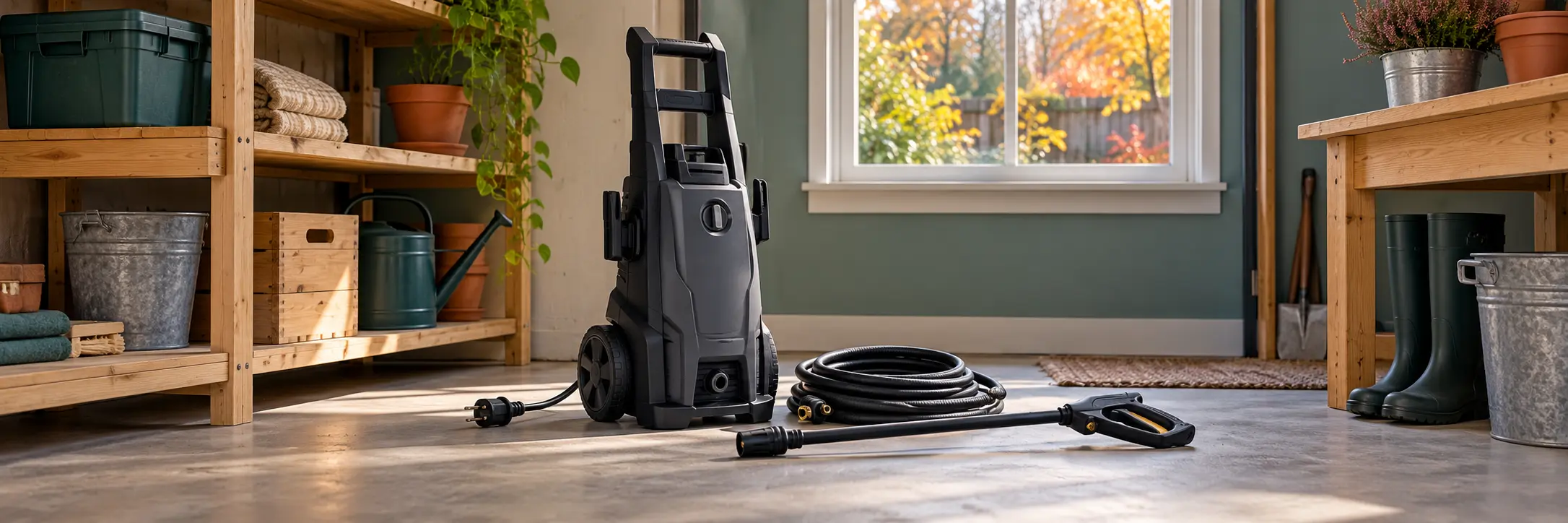
Prepare a pressure washer for winter with its exact manual, an accessory check and a frost-free storage place—not just an empty-looking hose.
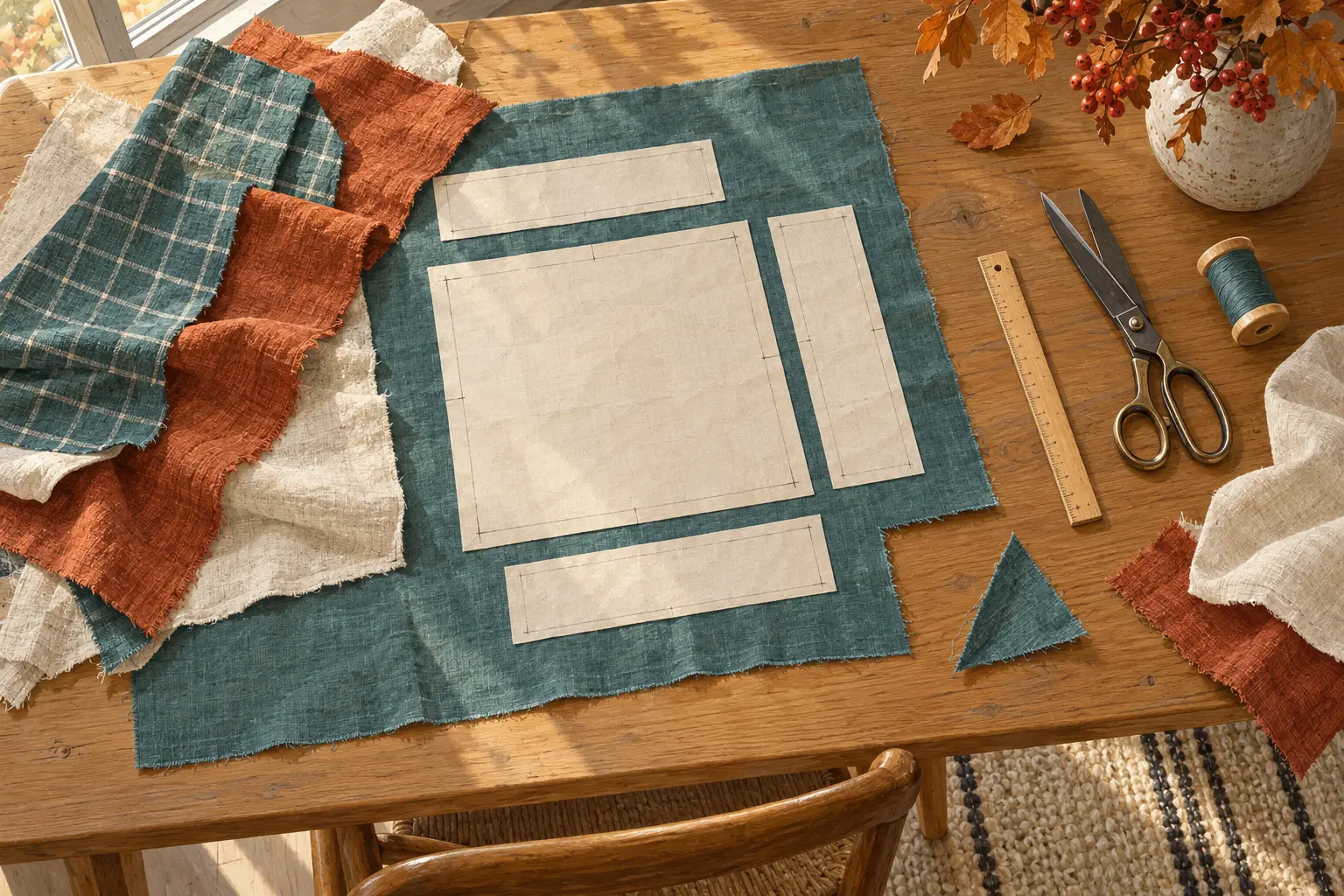
Plan a useful project from second-hand fabric offcuts by checking usable dimensions, care information and the actual pattern layout.
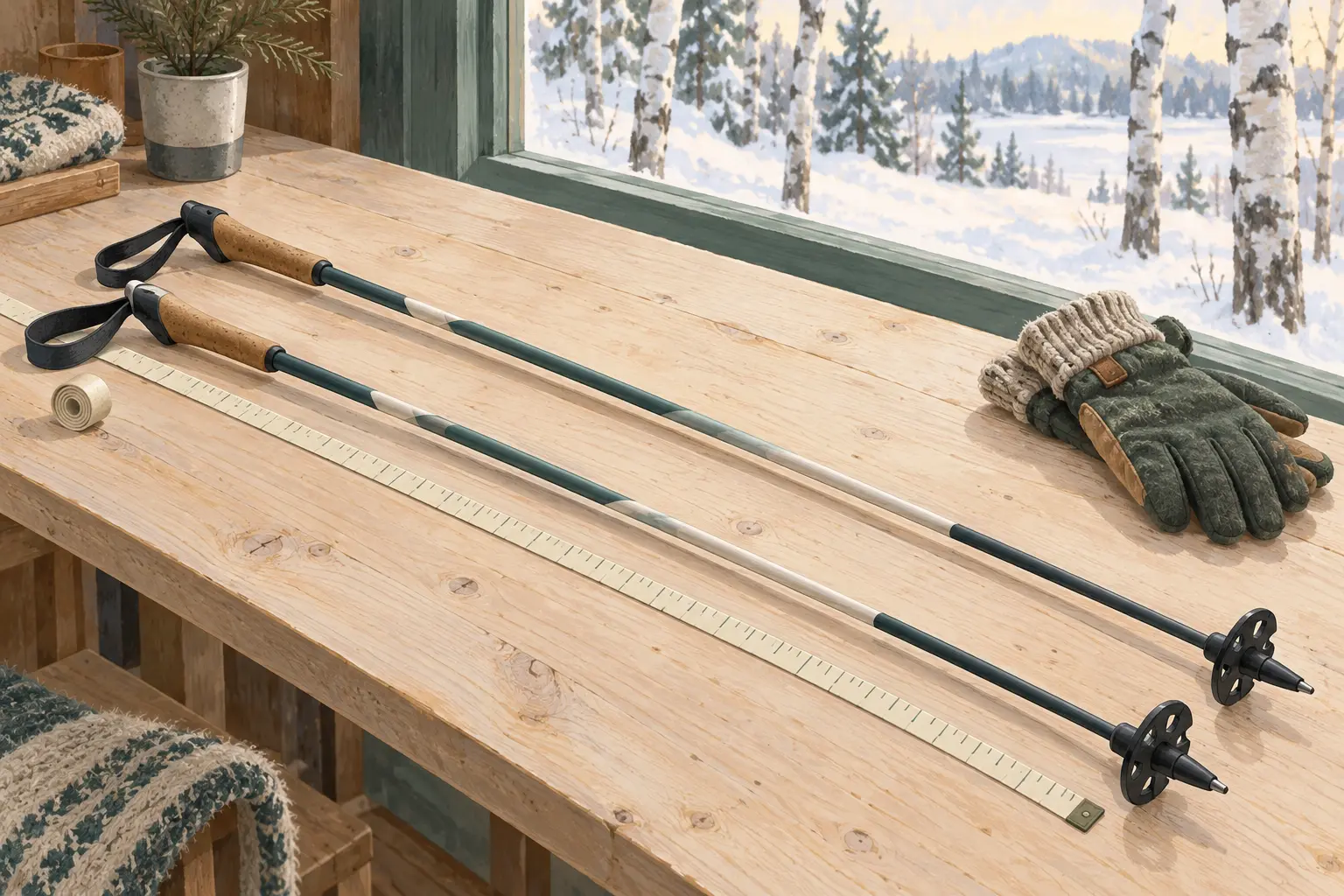
Compare used cross-country ski poles by measurement convention, intended technique and actual fit, not the printed length alone.
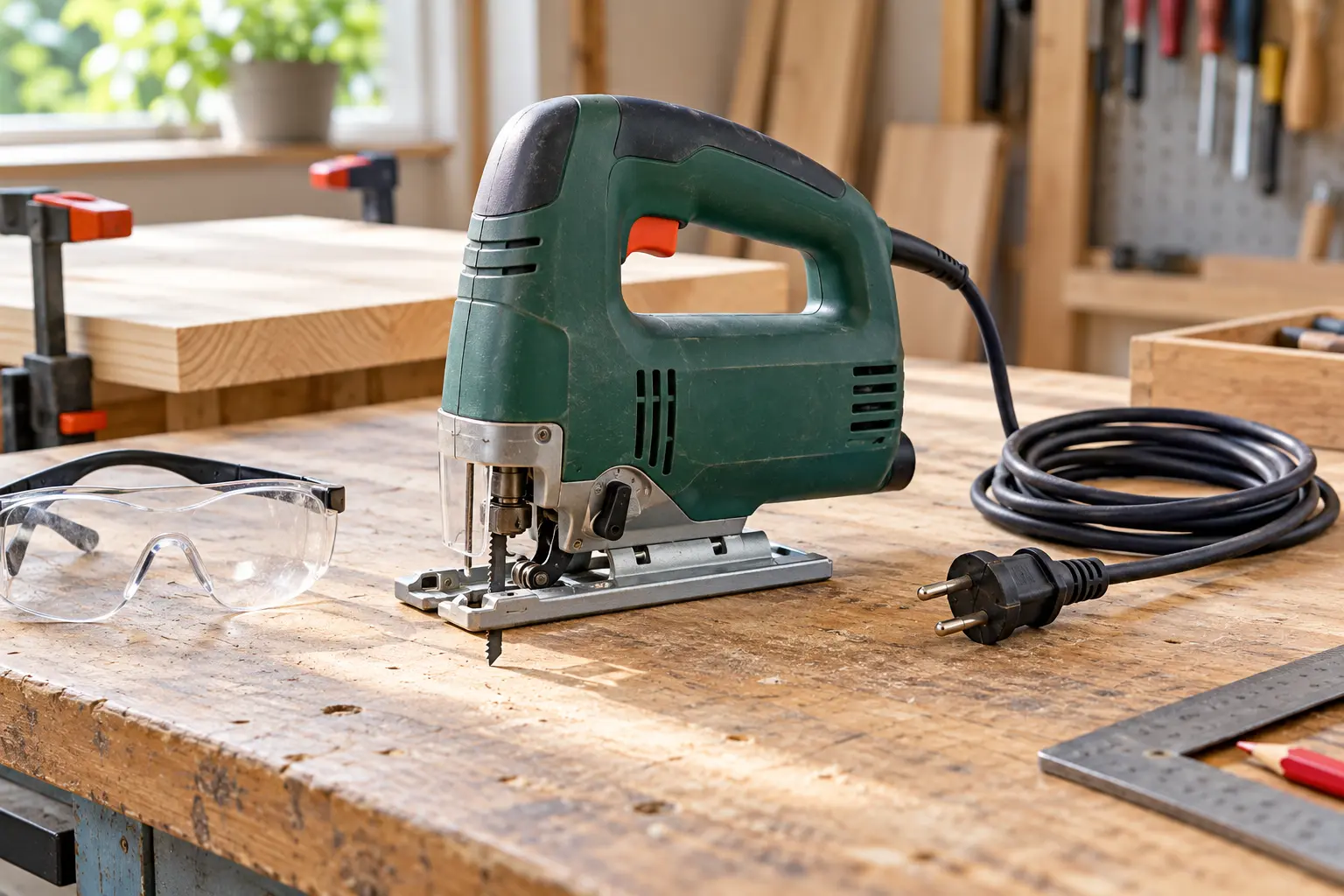
Check a used jigsaw’s baseplate, cable, blade clamp and accessories before a home project. A practical inspection and safe demonstration checklist.
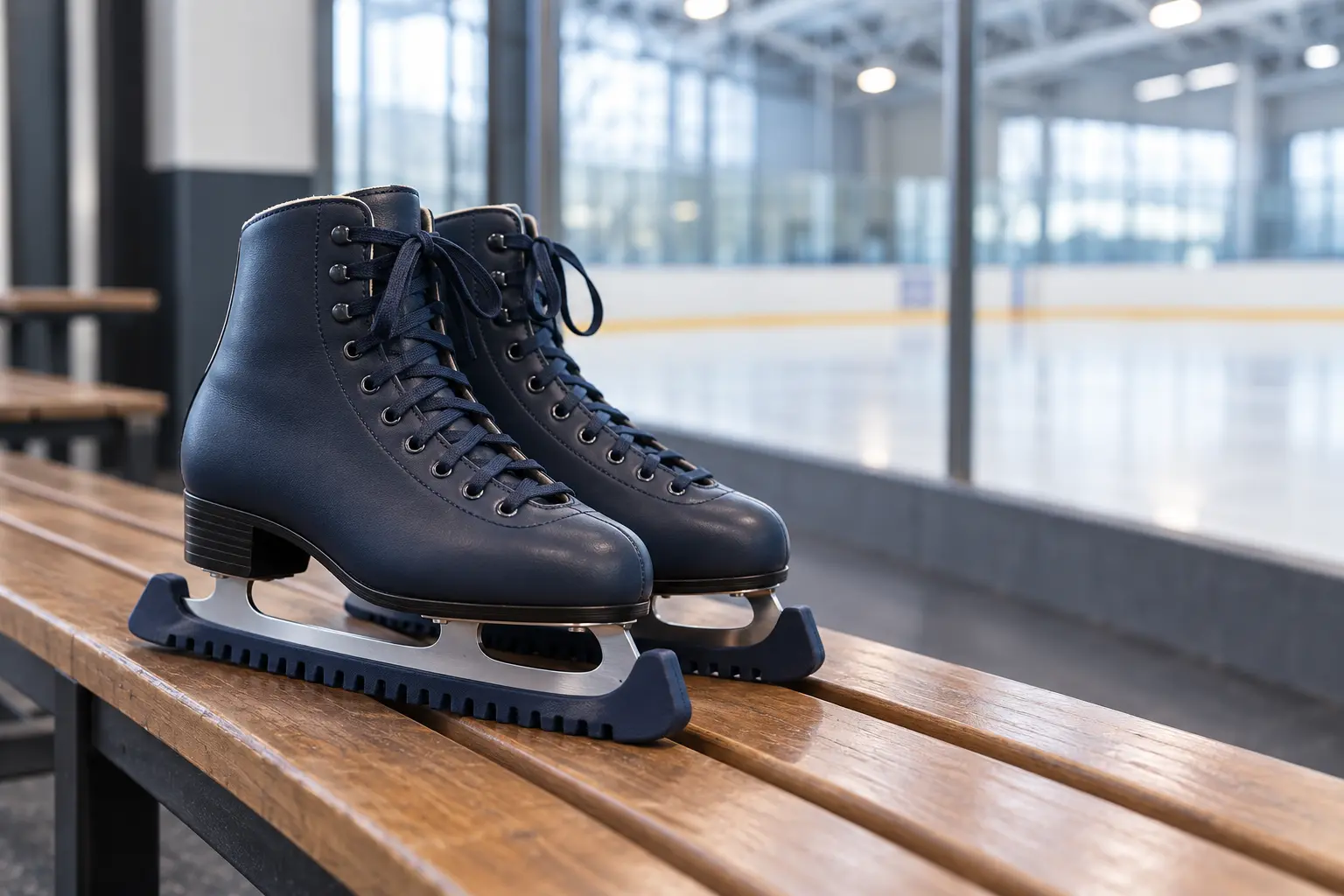
Buying used adult ice skates: fitting both boots, inspecting blades and mountings, and budgeting for checks before the rink.
Build a useful hand-mending kit: needles, thread, scissors, checks for second-hand supplies and safe storage.
Check a used snow shovel’s purpose, scoop, shaft and grip before buying. Match it to your paths, winter gloves and available storage space.
Choose a rake and garden bag, inspect second-hand tools and check local leaf-collection conditions before spending on autumn cleanup.
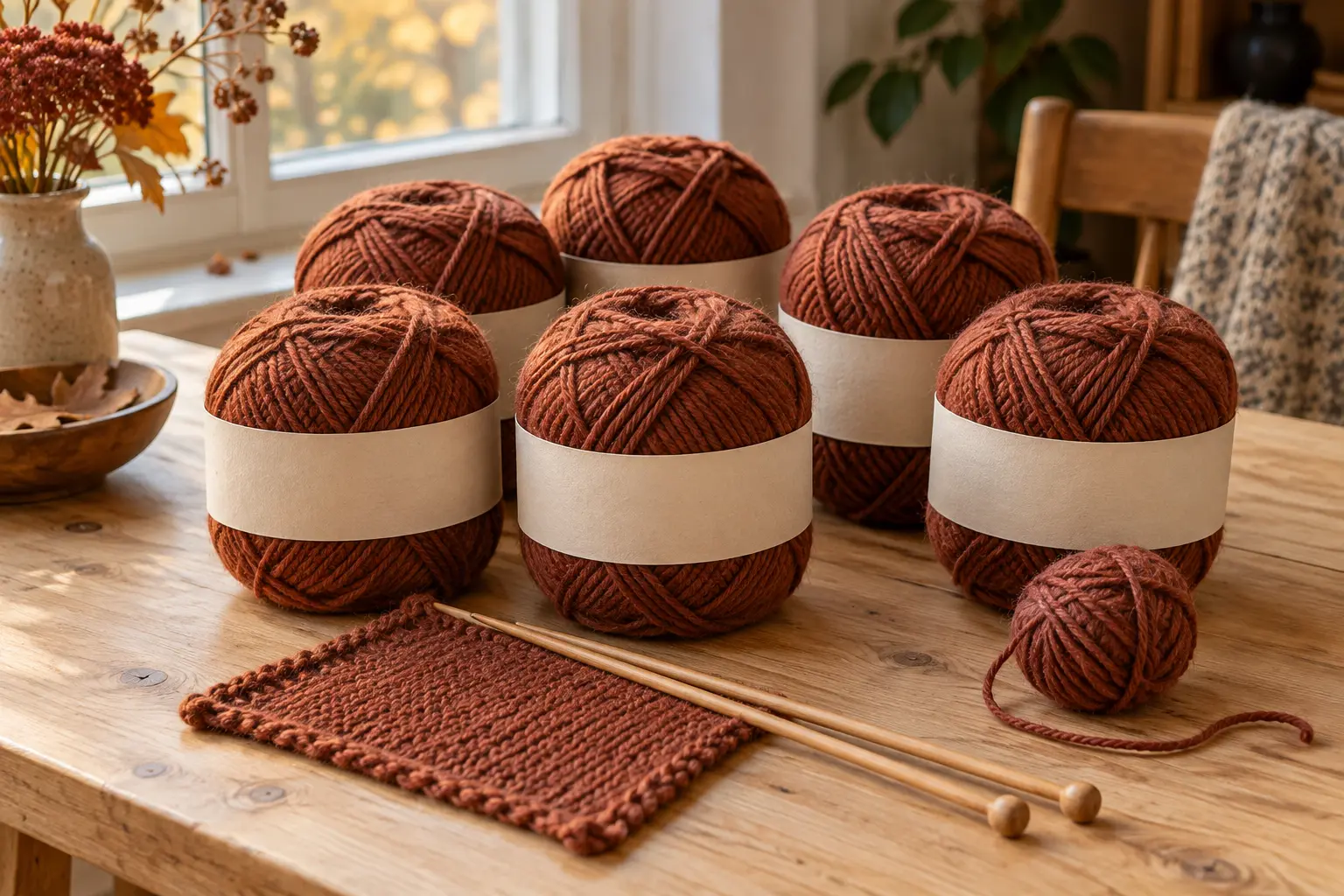
Buying second-hand yarn: check fibre content, colour and dye lot, full balls and leftovers, project length and storage history.
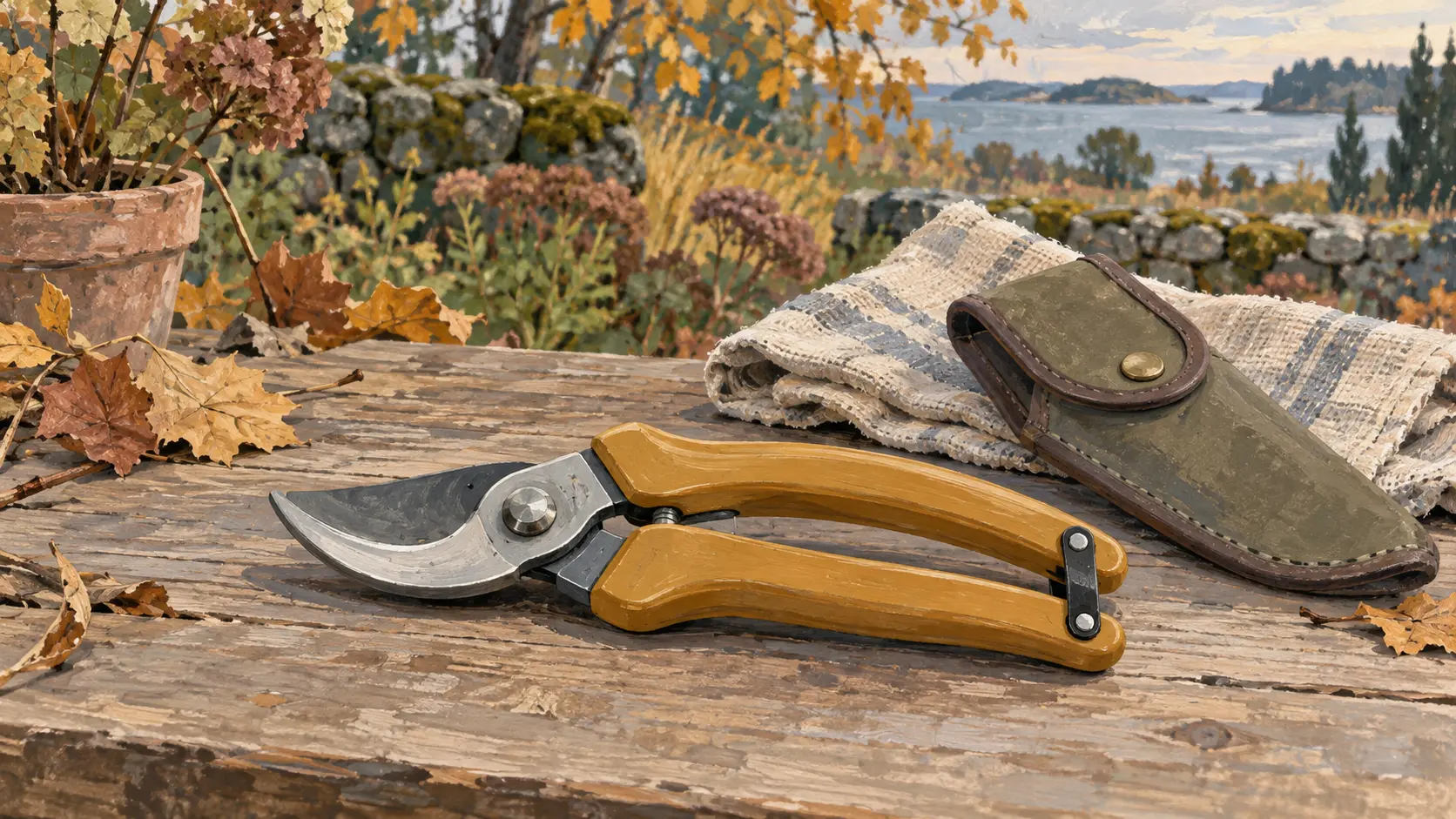
Before buying manual secateurs, inspect the lock, handles and blade, identify the exact model and price any necessary parts. Avoid risky cutting tests.
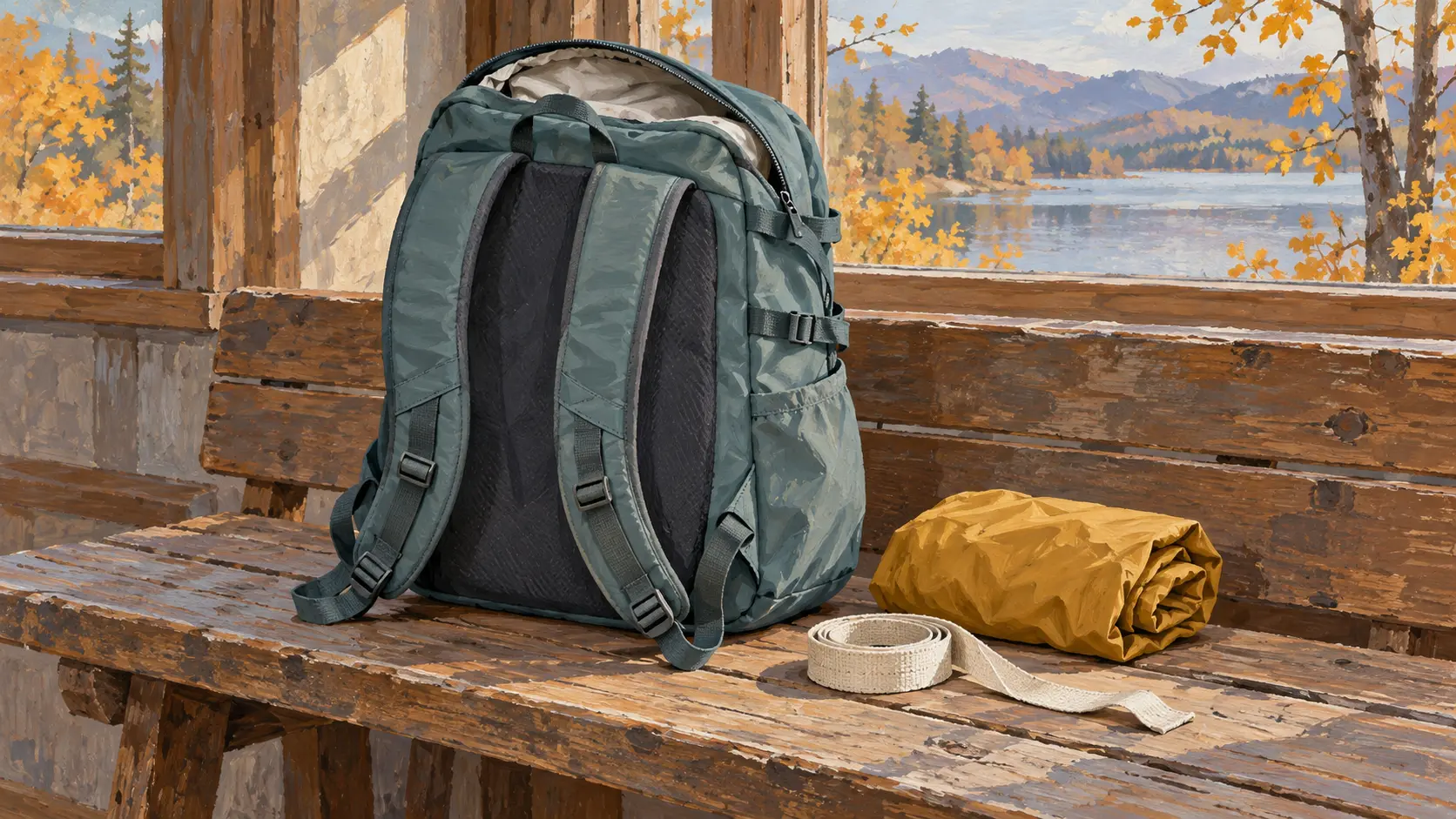
Before buying a used daypack, check its back size, strap attachments, zips and inner coating. Plan rain protection and cleaning without guessing.